


7 April 2026
Field Day and Training Event brings together experts and farmers to focus on cereals and domestic production
The Cereal Field Day and Training Event brought together over 50 people in Mirandela. Photo: Palombar.
The Cereal Field Day and Training Event organised as part of the LIFE SOS Pygargus project brought together more than 50 people in Mirandela, in the district of Bragança, on 26 March. The initiative was organised by ANPOC – the National Association of Protein, Oilseed and Cereal Producers, IPB/ESA – the Polytechnic Institute of Beja and Higher Agricultural School, and the Elvas Centre of INIAV – the National Institute for Agricultural and Veterinary Research, in collaboration with local partners Palombar, the project’s coordinating beneficiary, AEPGA – Association for the Study and Protection of Donkeys, IPB – Polytechnic Institute of Bragança, and CCDR Norte – Northern Regional Coordination and Development Commission.
The number of participants – mainly farmers, experts and technicians linked to the rural world and the agricultural sector – reflects the region’s keen interest in cereals and issues relating to the competitiveness and promotion of national cereal production.
The Technical Training on Cereals was eminently practical in nature and tailored to the reality of the North; it also served to promote and stimulate the creation of a Cereal Producers’ Organisation in the region, which will be essential for revitalising the sector.
Theoretical morning marked by contributions from experts and farmers
The Field Day and Training was marked by two distinct parts. In the morning, the proceedings took place at Mirandela Municipal Library. The session was opened by the Mayor of Mirandela, Vítor Correia, followed by institutional addresses from the Vice-President for Agriculture and Fisheries at CCDR NORTE, Paulo de Sousa Ramalho, the Acting President of the Polytechnic Institute of Bragança, Anabela Martins, the Director of the INIAV Elvas Centre, António Cordeiro, and the Vice-President of ANPOC, Bernardo Albino.
.jpeg)
Opening of the event at Mirandela Municipal Library. Photo: Palombar.
The technical programme began with a presentation by Manuel Ângelo Rodrigues, from the Polytechnic Institute of Bragança, who discussed the ecophysiology of cereals; this was followed by presentations by Nuno Pinheiro, from INIAV, on the importance of varieties and sowing dates; Manuel Patanita, from the Polytechnic Institute of Beja, on crop rotation; and Paula Rodrigues, from ADP Fertilizantes, on fertilisation strategies.
The training also featured key contributions from farmers in Trás-os-Montes and the Alentejo, who shared their experiences, concerns and challenges, fostering a highly productive and engaging discussion on competitiveness, the added value of cereals and the importance of establishing a producers’ organisation to revitalise the sector in the region.
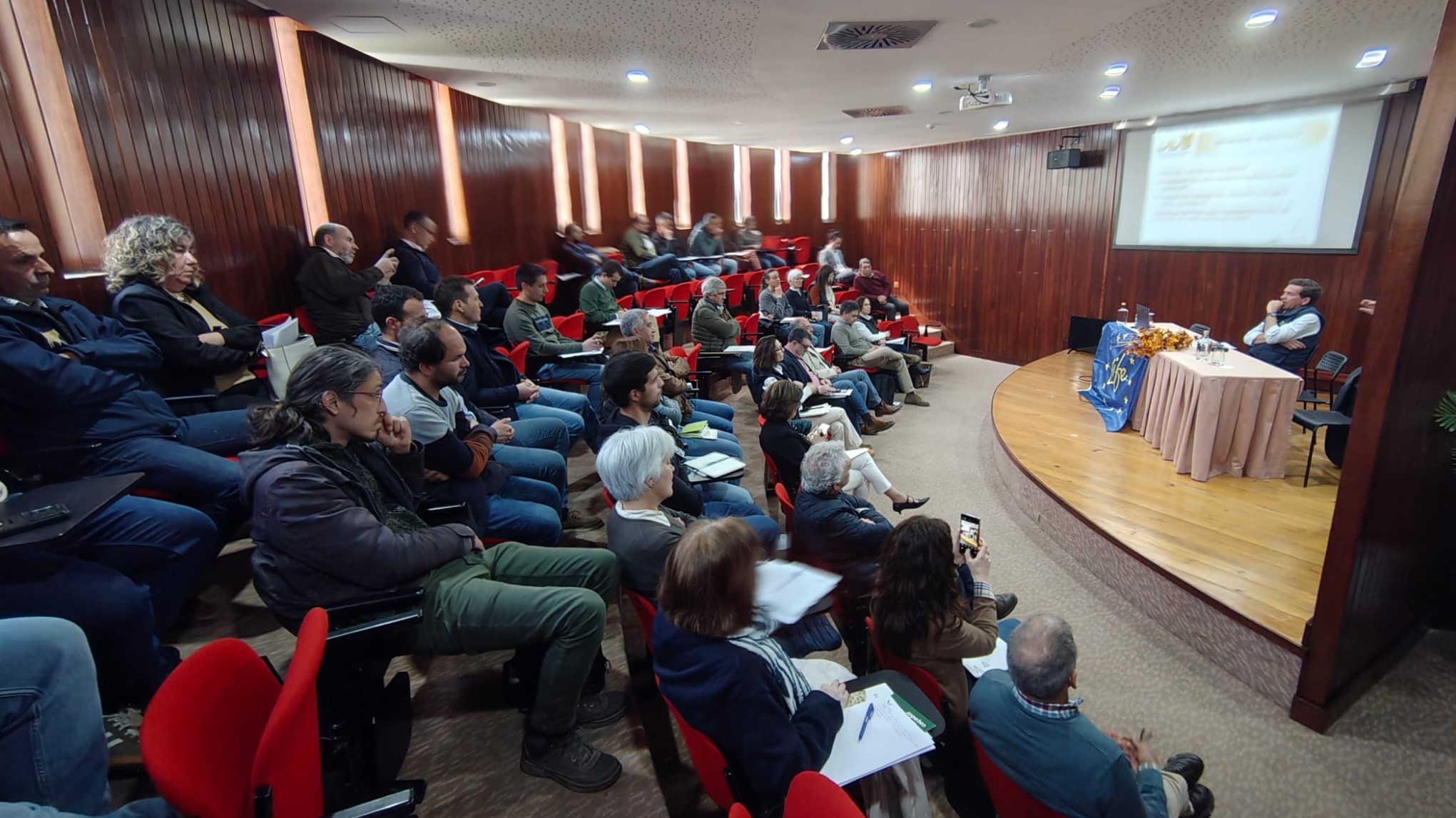
The training session benefited from key contributions from farmers in Trás-os-Montes and the Alentejo. Photo: Palombar.
The LIFE SOS Pygargus project presented a Certificate of Recognition to Moagem do Loreto
The morning also featured the presentation, by the LIFE SOS Pygargus project, of a Certificate of Recognition to "Moagem do Loreto" to mark the centenary of the Bragança-based mill, which fell precisely on 26 March.
The certificate was presented by the project leaders to Luís Afonso, owner of the mill, who also played an active role in the cereal training initiative.
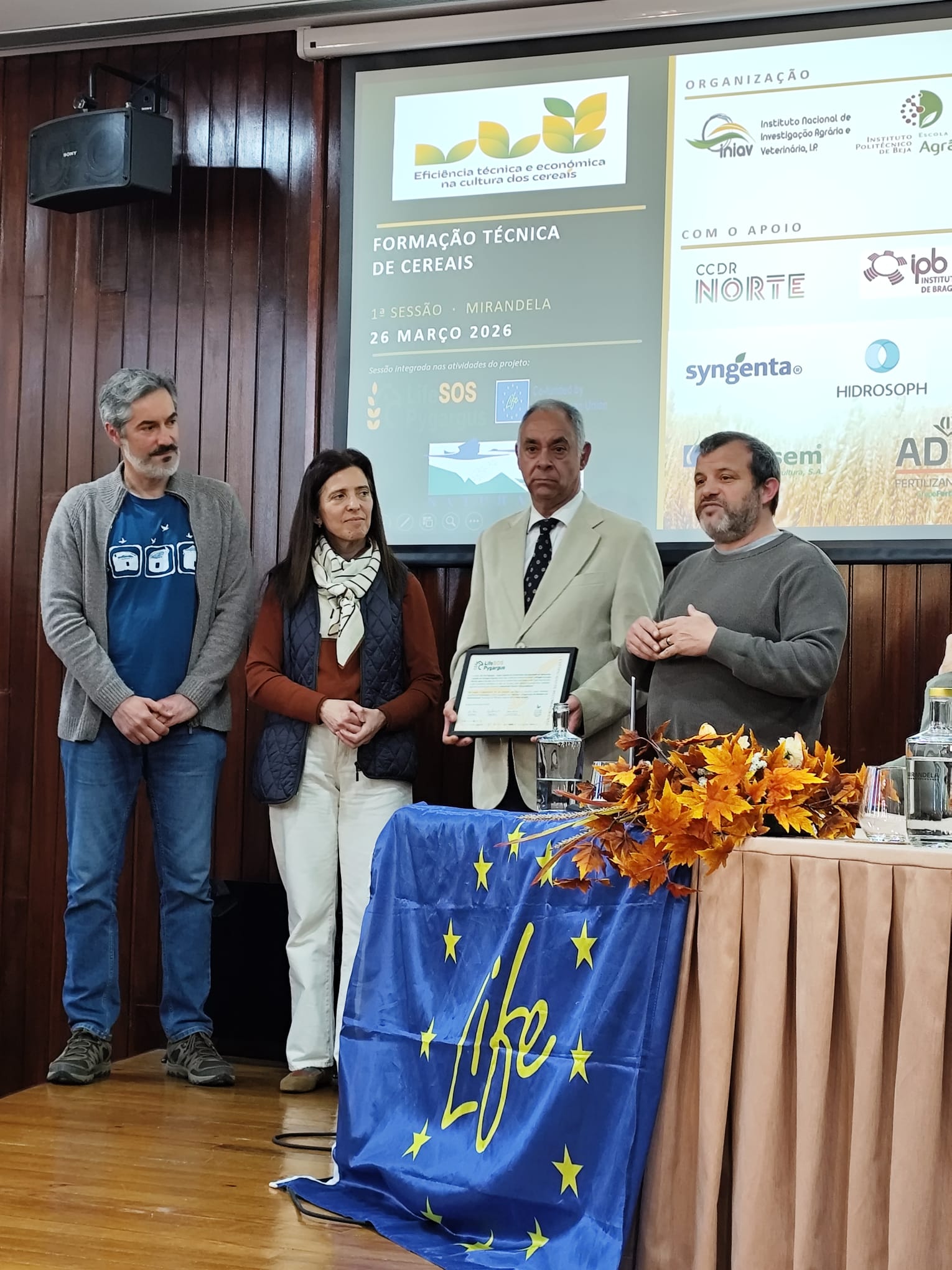
The LIFE SOS Pygargus project presented a Certificate of Recognition to "Moagem do Loreto" to mark the factory’s 100th anniversary and in recognition of its strategic importance. Photo: Palombar.
The project decided to award this certificate to "Moagem do Loreto" for its resilience over time, remaining active throughout a century of history despite all adversities, as well as for the strategic role that the milling sector plays in the entire production chain linked to cereals and the conservation of the Montagu’s harrier.
Afternoon in the trial fields with practical field exercises
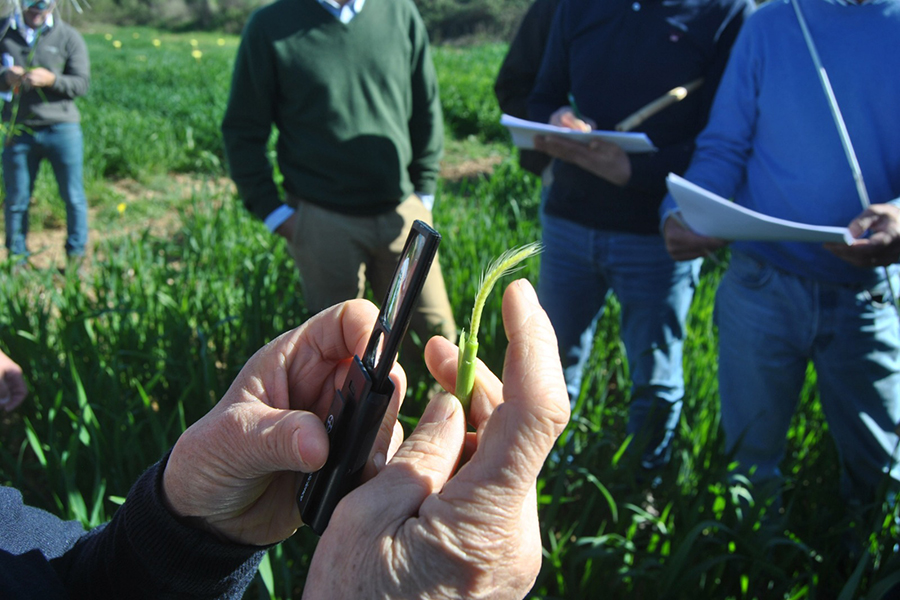
Following lunch and an important networking session among the participants, the afternoon took place at Quinta do Valongo, part of the Mirandela Innovation Hub of CCDR Norte, where trials of cereal varieties for the LIFE SOS Pygargus project in Trás-os-Montes are currently underway. Being out in the field allowed participants to carry out, in groups, practical exercises in phenological identification, yield estimation and seed density calculation, reinforcing the practical aspect of the initiative.
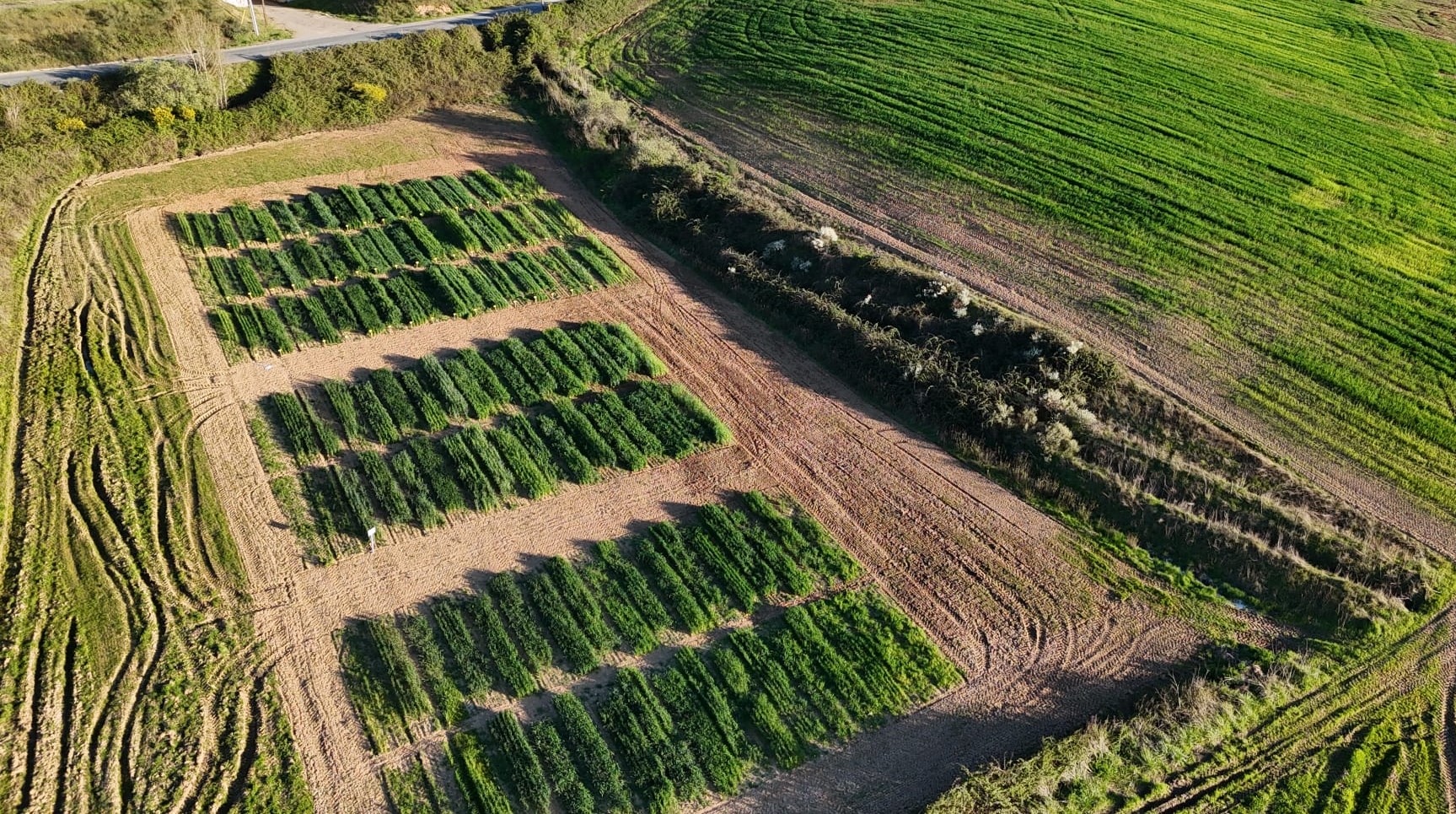
Plots planted with cereal varieties assessed in trials conducted by INIAV researchers at Quinta do Valongo, which belongs to the Mirandela Innovation Hub of CCDR-Norte.
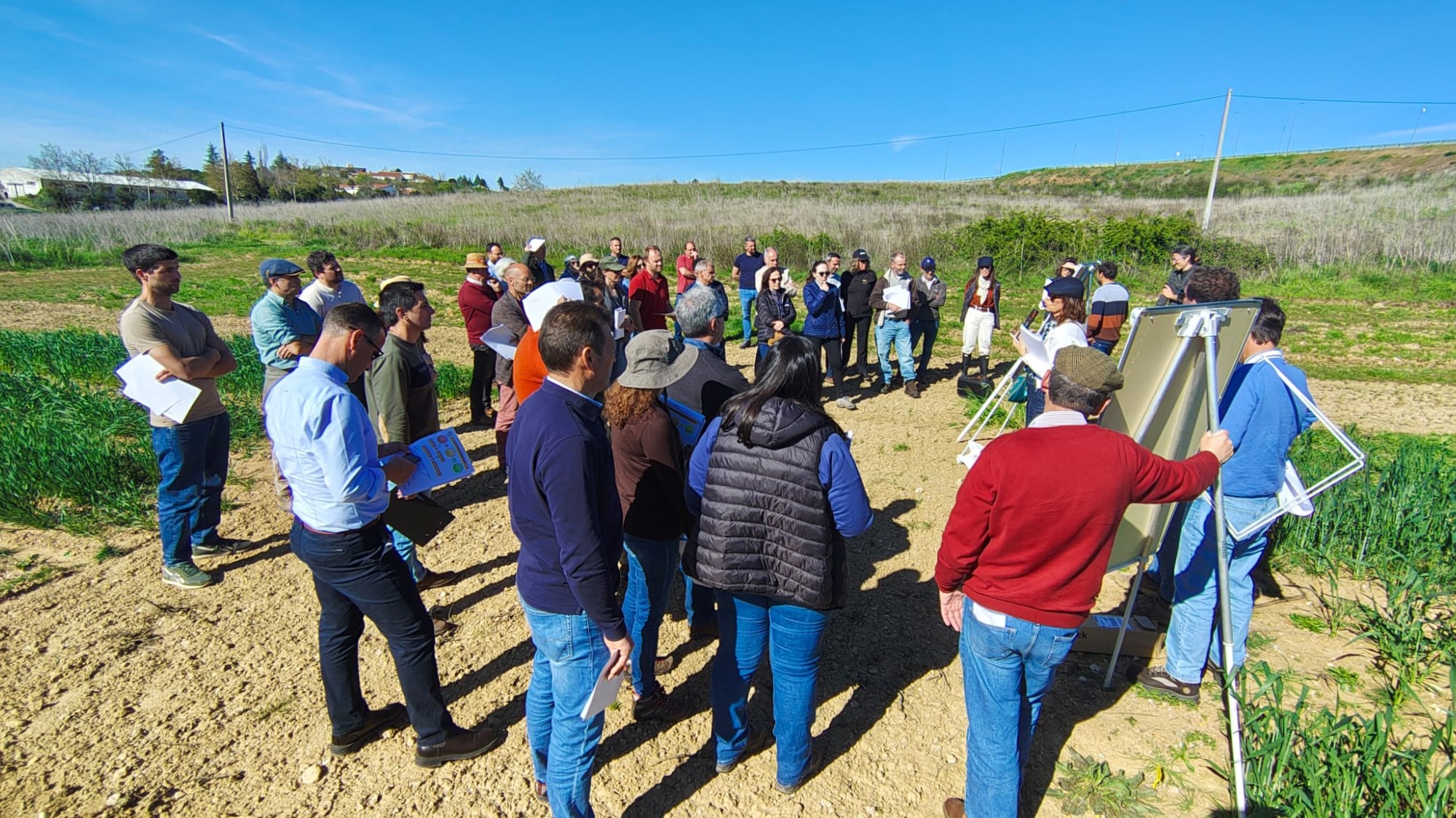
Hands-on training in the field with experts from ANPOC and INIAV. Photo: Palombar.
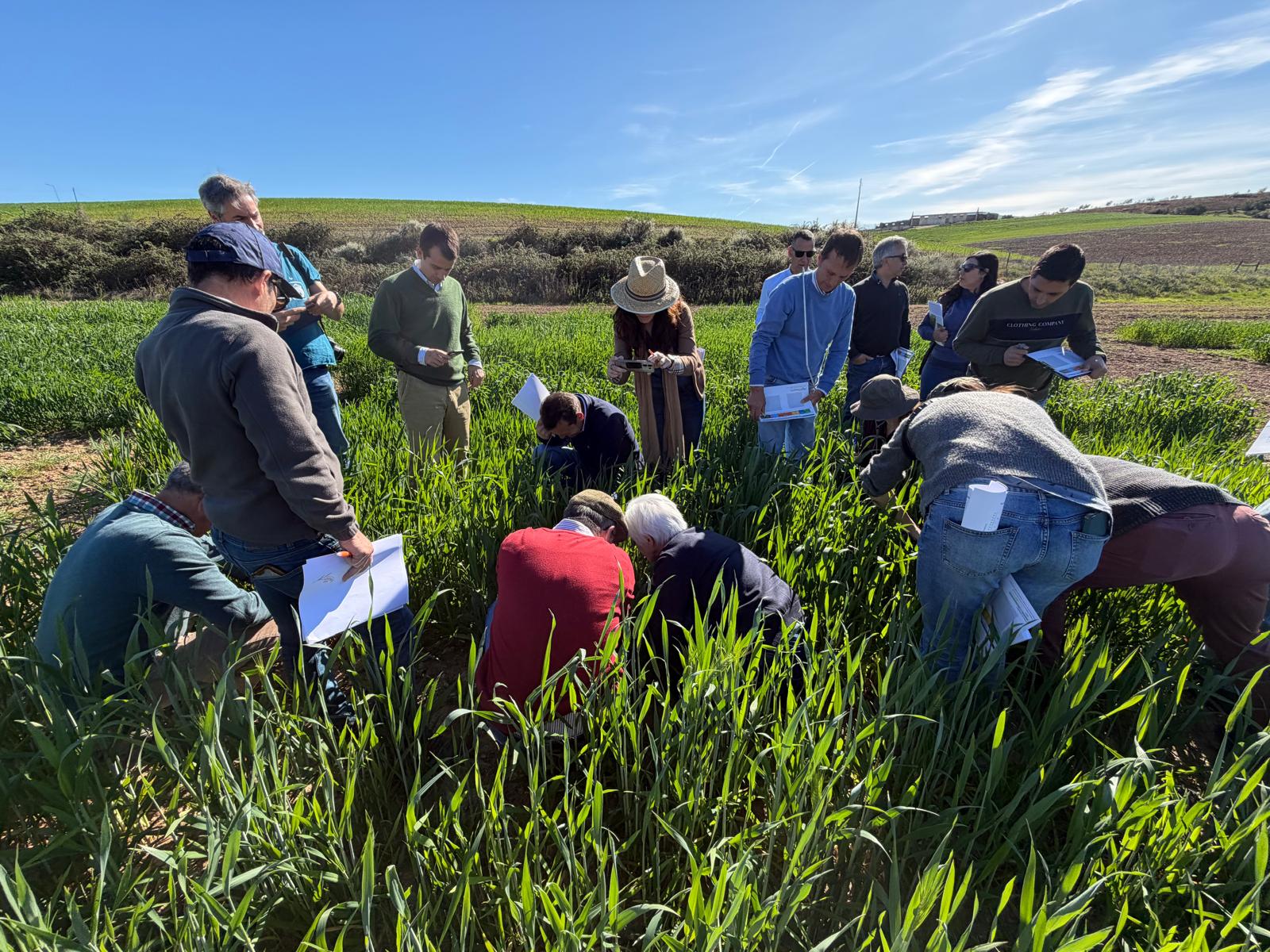
Assessment of cereal crops from trials carried out at Quinta do Valongo, in Mirandela. Photo: Palombar.
The voice of those who (still) cultivate fields and are a seed of hope
Albertina Pires, aged 68, was one of the farmers from Trás-os-Montes who took part in the training. The guardian of the ancestral seeds of native wheat varieties, which still grow on her land, considers these initiatives to be essential as they empower local farmers, allowing them to combine the empirical knowledge passed down from generation to generation with scientific and technical expertise.
“The experiments being carried out at Quinta do Valongo are very useful because I had never before taken the trouble to count the ears and tillers of the cereal to calculate and estimate what we will harvest. And it is very important to assess the condition and productivity of the crop to get an idea of the yield we will achieve. It’s an essential tool,” said Albertina Pires, one of the few farmers who, together with her husband, still sows traditional varieties of wheat from the region. “I really enjoyed the explanations, learning about diseases, particularly rust, because we didn’t know how to treat it, as well as the proper use of fertilisers on crops,” she added.
(2).jpeg)
Farmer Albertina Pires in her Barbela wheat field in the village of Prada, in Vinhais. Photo: Sara Riso/Palombar.
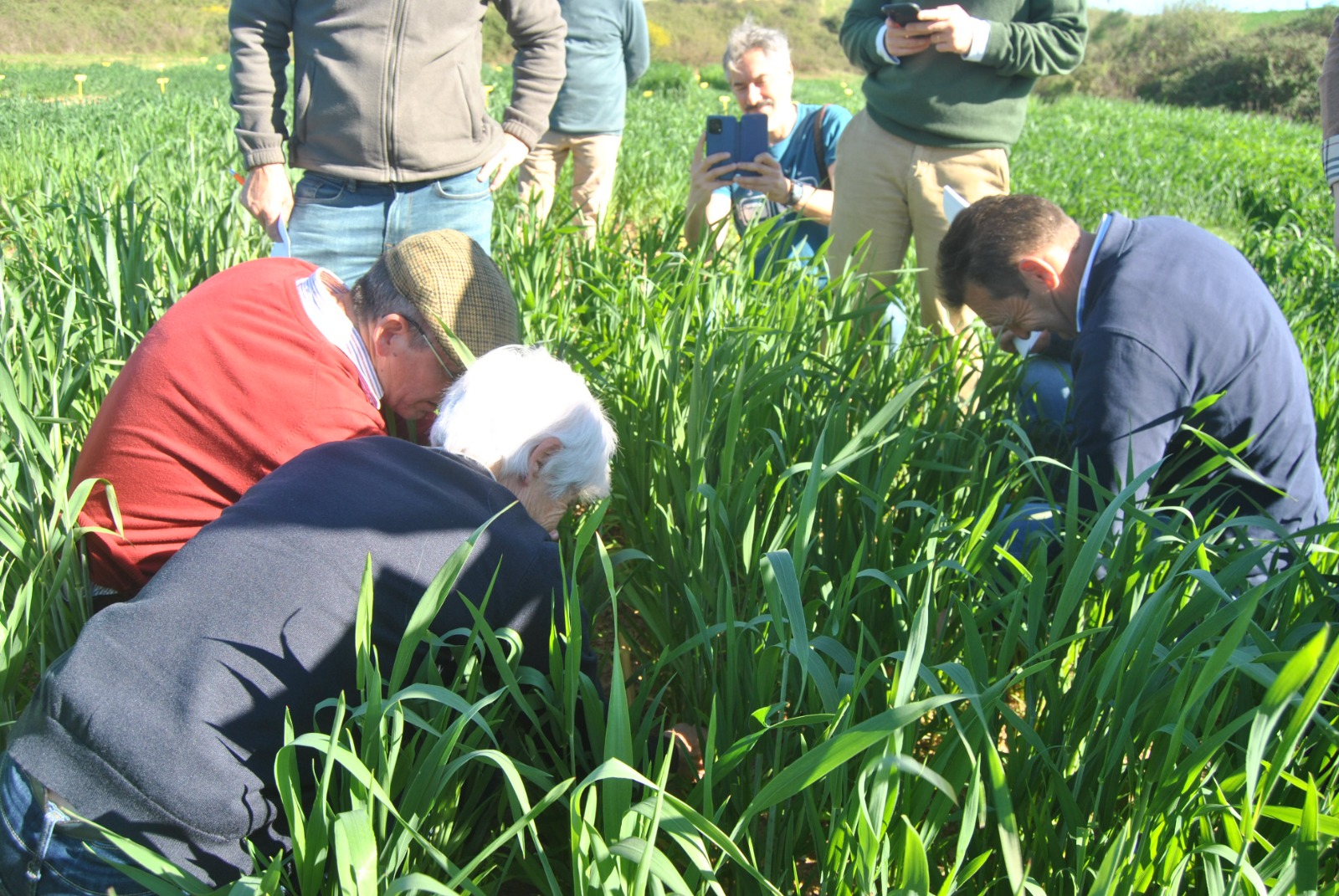
Albertina Pires actively taking part in practical exercises in the fields in Mirandela. Photo: Palombar.
On the importance of returning to large-scale arable farming to (also) save a species from extinction – the Montagu’s harrier (Circus pygargus), which depends on these agricultural fields to thrive – by bringing farmers and environmentalists together, Albertina Pires notes that “farmers are very quick to say that this only causes harm, those birds that are out there; but no, it is we who are unaware of the good they do. Because there are many insects, and there must be many creatures that they eat which are harmful to our crops”. And she is absolutely right. A single pair of Montagu’s harriers hunts more than 1,000 animals harmful to crops, such as rats and insects, which can boost crop productivity.
The future of local and ancestral cereal varieties, such as Barbela wheat and serôdio wheat, depends on the support and investment made in the cereal sector, the farmer believes. Albertina Pires has one wish: “I just ask that there are young people who want to carry on with this work. And, if these young people come along, that they are supported even more than we were, so that they feel motivated to continue,” she argues.
On cereal training
Following the success of eight editions of the Technical Cereal Training programme in the Alentejo, and driven by the momentum of the LIFE SOS Pygargus project, ANPOC, IPB/ESA and the INIAV Elvas Centre, together with local partners IPB and CCDR NORTE, have brought the training model that combines research, academia and the sector to Trás-os-Montes. With one aim: to train those who produce, directly in the field, on the current cereal crop. The intention is thus to raise awareness among local farmers of the region’s constraints and the importance of technical support for informed decision-making in cereal production. This first session in Trás-os-Montes marked the start of a series of two cereal training sessions, enabling the monitoring of two key stages in the development of cereal crops: the stem elongation phase now in March and, in May/June, the grain filling phase.
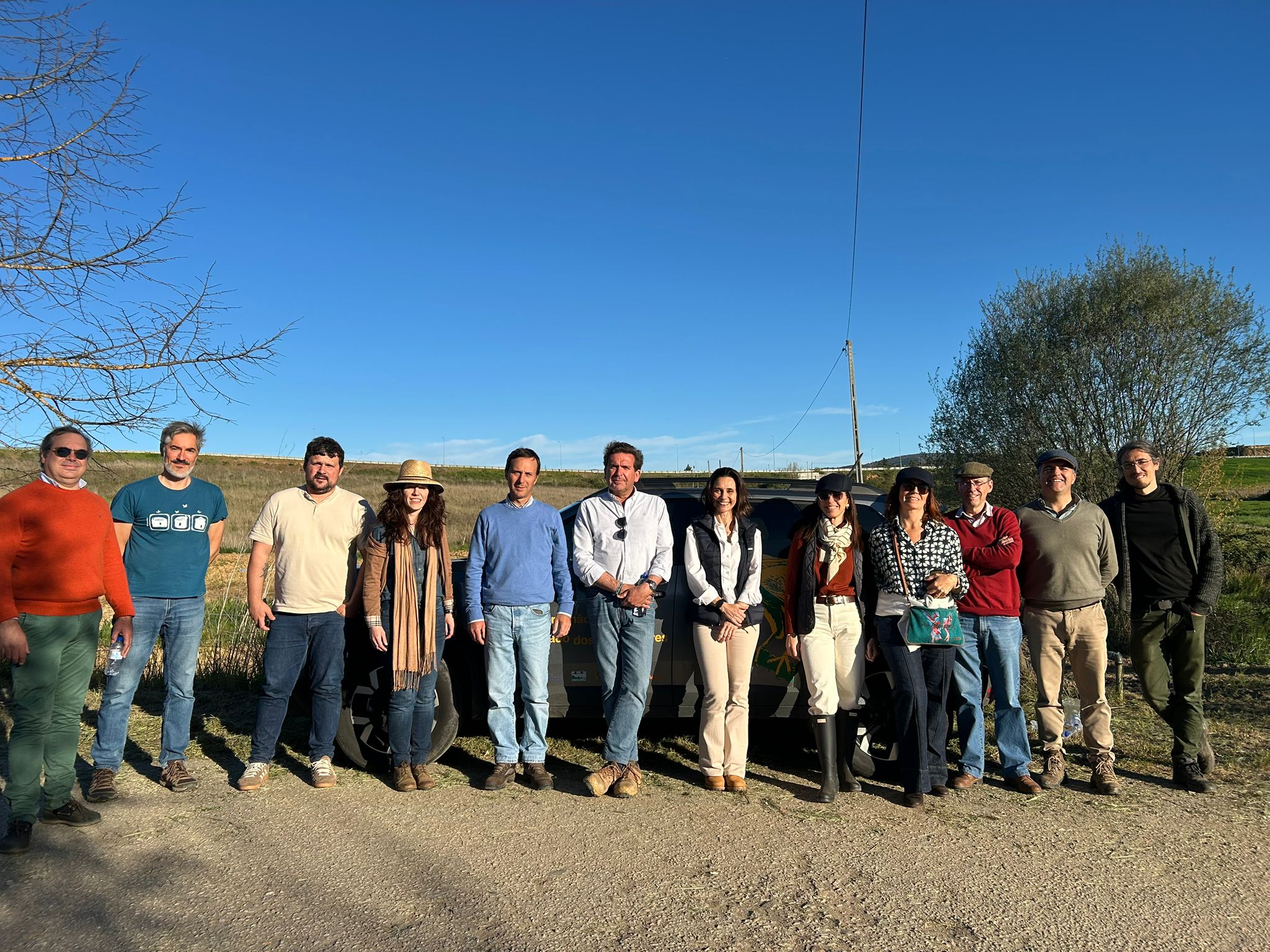
Most of the group that organised the Cereal Field Day and Training Session as part of the LIFE SOS Pygargus project. Photo: Palombar.
About the project
LIFE SOS Pygargus – Urgent conservation actions for Montagu’s harrier populations in Portugal and Spain is an Iberian project co-funded at 75% by the European Union’s LIFE Programme. It also receives co-funding from Viridia – Conservation in Action, Lightsource bp, the Portuguese Environmental Fund, and the Biodiversity Foundation of the Spanish Ministry for Ecological Transition and Demographic Challenge.
It is implemented by a consortium that includes Palombar – Nature and Rural Heritage Conservation (coordinating entity), BIOPOLIS-CIBIO Association, AEPGA – Association for the Study and Protection of Donkeys, ANPOC – National Association of Protein, Oilseed and Cereal Producers, CCDR-N – North Regional Coordination and Development Commission, EDIA – Alqueva Development and Infrastructure Company SA, ICNF – Institute for Nature Conservation and Forests, INIAV – National Institute for Agricultural and Veterinary Research, LPN – Nature Protection League, MC Shared Services SA, Modelo Continente Hipermercados SA, SPEA – Portuguese Society for the Study of Birds, UTAD – University of Trás-os-Montes and Alto Douro, Vita Nativa – Environmental Conservation, AMUS – Action for Wild World, the Department of Agriculture, Livestock and Sustainable Development of the Regional Government of Extremadura, GREFA – Group for the Rehabilitation of Native Fauna and its Habitat, and the University of Murcia.