


10 November 2026
Miranda Donkeys and Traditional Pigeon Dovecotes: a new project prevents fires and promotes biodiversity in the International Douro
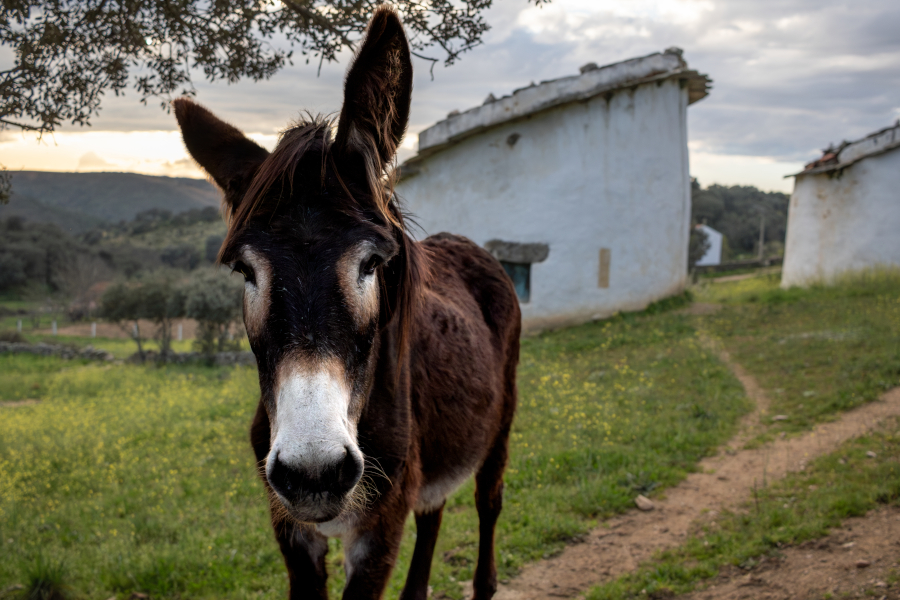
The project helps to preserve unique symbols of the region’s identity: the Miranda donkey and traditional dovecotes. Photograph: Pedro Alves/Palombar.
REN – National Energy Networks, AEPGA – Association for the Study and Protection of Donkeys, and Palombar – Conservation of Nature and Rural Heritage – have set up a project which, through grazing by Miranda donkeys and the conservation of traditional dovecotes, aims to increase the resilience of the company’s infrastructure to fires and contribute to improving biodiversity and existing habitats in the area surrounding the Lagoaça Substation, in Freixo de Espada à Cinta, right in the heart of the Douro International Natural Park (PNDI).
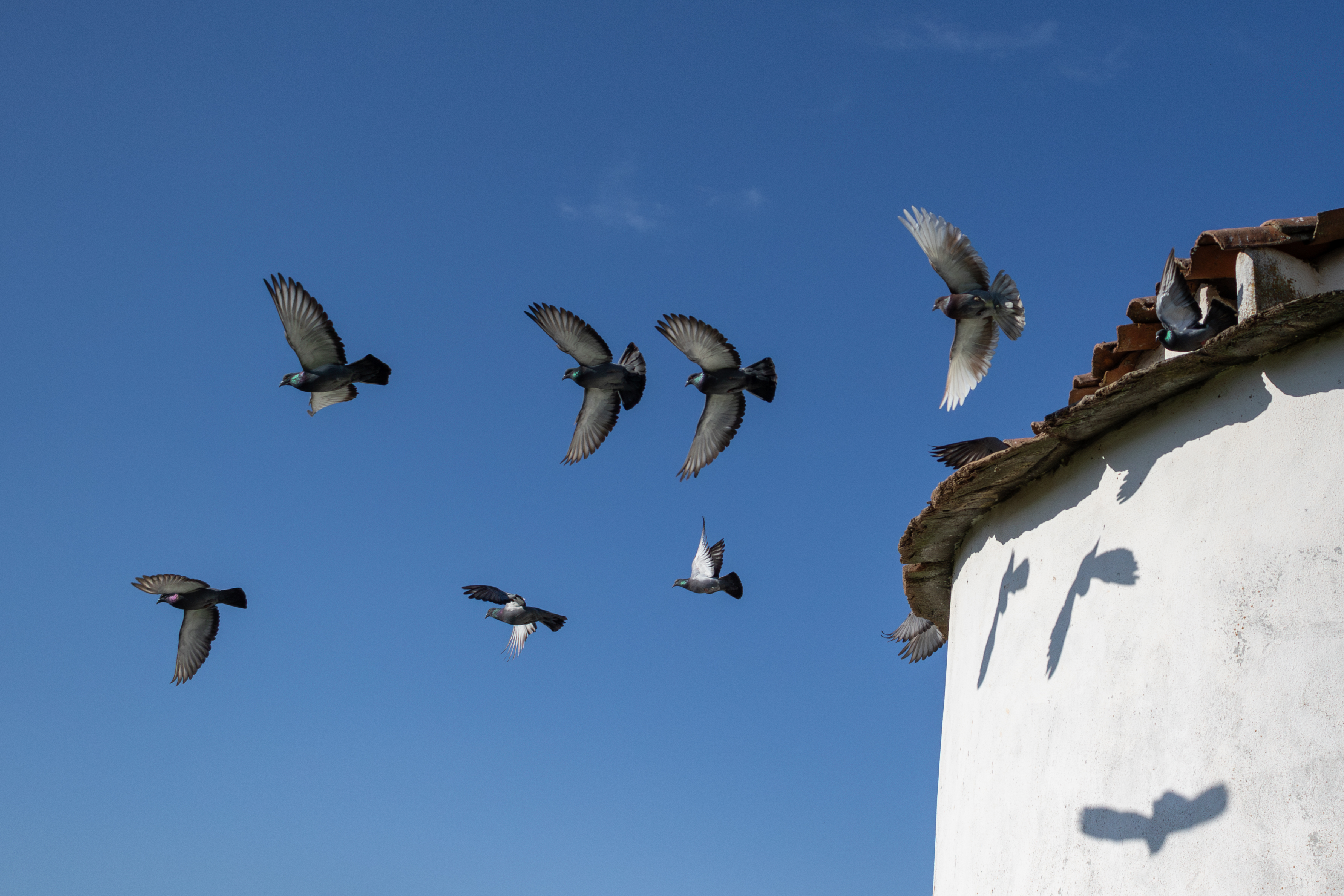
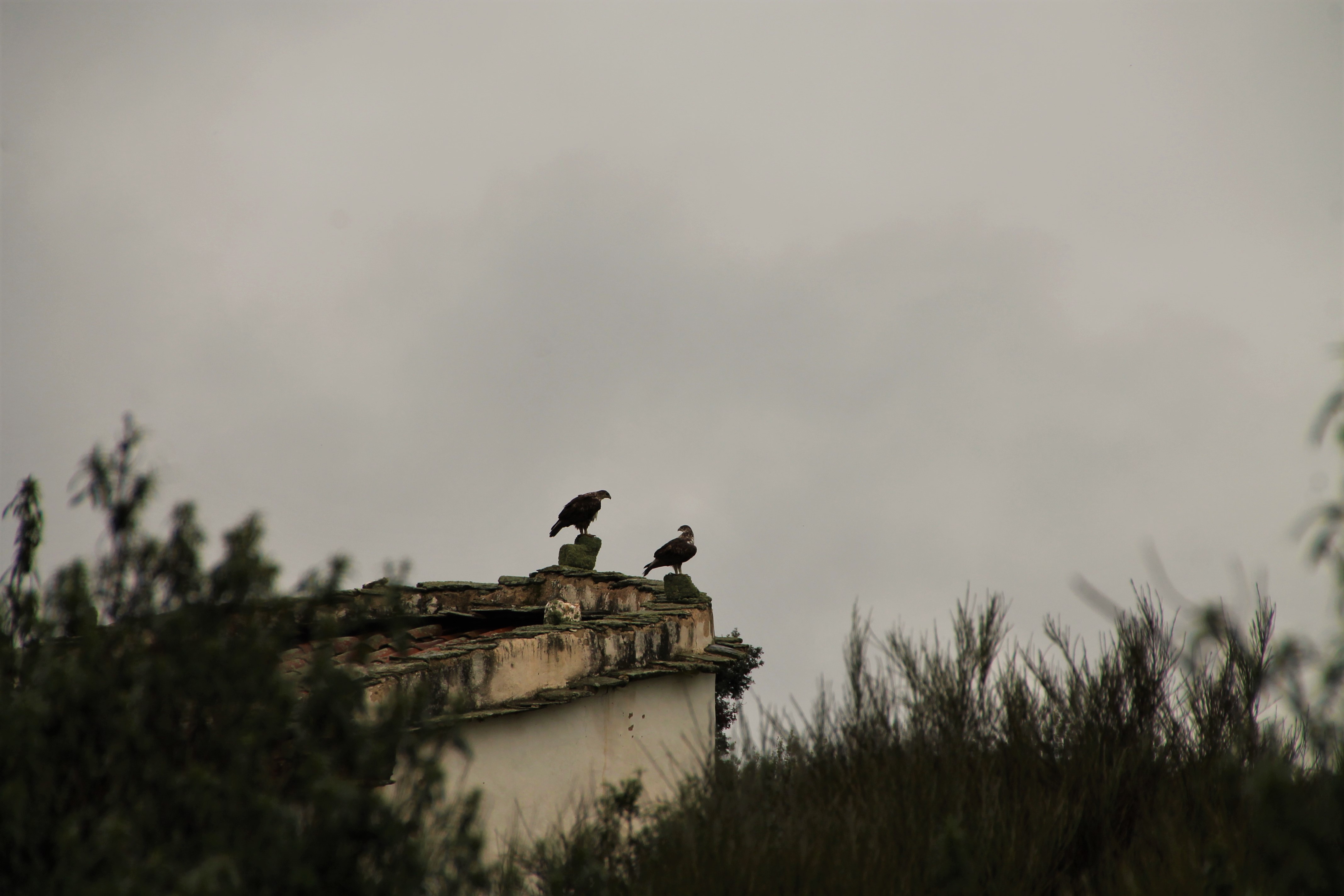
The Animal Forest Brigade, comprising 12 Miranda donkeys, operates across an area of approximately 30 hectares within the PNDI and will play a key role in fuel management and the sustainable management of the landscape. The project also includes the restoration of six traditional dovecotes, helping to preserve rural heritage and the identity of the area, whilst promoting the proliferation of endangered birds such as the Bonelli’s eagle.
Over the next five years, and through nature-based solutions, the project will address several needs: ensuring fuel management around the substation, thereby reducing the risk of fire, on the behalf of REN; the promotion and protection of a native breed, on the behalf of AEPGA; and the conservation of biodiversity and rural heritage on the behalf of Palombar.
The area covered by the project encompasses a variety of habitats, including wetlands, meadows and pastures, mountain oak woodlands, and a diverse range of flora and fauna. In the wetlands, the presence of animals helps to maintain the physical characteristics that allow for the temporary accumulation of water and support the wildlife dependent on these environments.
In the meadows and pastures, rotational grazing by Miranda donkeys helps to control vegetation growth and preserve the diversity and balance of the ecosystem. In the mountain oak woodland areas, the animals contribute to vegetation management and the maintenance of the landscape.
Project creates synergies to benefit the landscape, nature and communities
According to Alejandro Nieto of AEPGA, “this project is an excellent example of how it is possible to reconcile diverse interests: from our perspective, it enhances the value of the Miranda donkey by assigning it a specific role in land management, beyond simply preserving the breed. However, as this is a three-way project, there is also the fundamental issue of fuel management – important for REN – and the preservation of biodiversity and different habitats, as advocated by Palombar. So everyone stands to gain.”
“This project in Lagoaça enables us to test and monitor an approach in which the management of plant biomass, habitats, native species, heritage, biodiversity and infrastructure are considered in an integrated manner. And it could serve as a pilot project to be replicated in other areas,” says José Pereira, from Palombar.
“The resilience of infrastructure to wildfires and fuel management were the starting point for the project. Together with Palombar and AEPGA, we have managed to create a virtuous circle, in which opting for nature-based solutions allows us to generate additional benefits for the local area,” explains Mónica Conceição, from REN. “The area surrounding the Lagoaça Substation has its own ecological value, which we aim to preserve and enhance. REN, AEPGA and Palombar are complementary partners, each contributing their own expertise; the project ensures continuity, monitoring and the generation of knowledge,” concludes REN’s Director of Operations.
Over its planned five-year duration, the project will involve carrying out impact studies, monitoring biodiversity and assessing the efficiency of the solutions adopted and best practices, thereby gathering information that will enable the identification of opportunities for replication in other locations.
The Animal Forest Brigade, comprising 12 Miranda donkeys, operates across an area of approximately 30 hectares within the PNDI and will play a key role in fuel management and the sustainable management of the landscape. The project also includes the restoration of six traditional dovecotes, helping to preserve rural heritage and the identity of the area, whilst promoting the proliferation of endangered birds such as the Bonelli’s eagle.
Over the next five years, and through nature-based solutions, the project will address several needs: ensuring fuel management around the substation, thereby reducing the risk of fire, on the behalf of REN; the promotion and protection of a native breed, on the behalf of AEPGA; and the conservation of biodiversity and rural heritage on the behalf of Palombar.
Six traditional dovecotes will be restored and repopulated. Photo: Pedro Alves/Palombar.
The area covered by the project encompasses a variety of habitats, including wetlands, meadows and pastures, mountain oak woodlands, and a diverse range of flora and fauna. In the wetlands, the presence of animals helps to maintain the physical characteristics that allow for the temporary accumulation of water and support the wildlife dependent on these environments.
In the meadows and pastures, rotational grazing by Miranda donkeys helps to control vegetation growth and preserve the diversity and balance of the ecosystem. In the mountain oak woodland areas, the animals contribute to vegetation management and the maintenance of the landscape.
Project creates synergies to benefit the landscape, nature and communities
According to Alejandro Nieto of AEPGA, “this project is an excellent example of how it is possible to reconcile diverse interests: from our perspective, it enhances the value of the Miranda donkey by assigning it a specific role in land management, beyond simply preserving the breed. However, as this is a three-way project, there is also the fundamental issue of fuel management – important for REN – and the preservation of biodiversity and different habitats, as advocated by Palombar. So everyone stands to gain.”
“This project in Lagoaça enables us to test and monitor an approach in which the management of plant biomass, habitats, native species, heritage, biodiversity and infrastructure are considered in an integrated manner. And it could serve as a pilot project to be replicated in other areas,” says José Pereira, from Palombar.
The project will help to conserve the area’s only pair of Bonelli’s eagles, one of the most endangered eagle species in Europe. Photo: María Iranzo.
“The resilience of infrastructure to wildfires and fuel management were the starting point for the project. Together with Palombar and AEPGA, we have managed to create a virtuous circle, in which opting for nature-based solutions allows us to generate additional benefits for the local area,” explains Mónica Conceição, from REN. “The area surrounding the Lagoaça Substation has its own ecological value, which we aim to preserve and enhance. REN, AEPGA and Palombar are complementary partners, each contributing their own expertise; the project ensures continuity, monitoring and the generation of knowledge,” concludes REN’s Director of Operations.
Over its planned five-year duration, the project will involve carrying out impact studies, monitoring biodiversity and assessing the efficiency of the solutions adopted and best practices, thereby gathering information that will enable the identification of opportunities for replication in other locations.