


5 September 2026
International Vulture Day: the birds that protect us are at risk and need our help

Today, we are celebrating International Vulture Day. This day is observed every year on the first Saturday in September. Many species of vultures are currently under pressure in Portugal, across Europe and around the world, and some even face the risk of extinction, such as the cinereous vulture. As sentinels of ecosystems, vultures fulfil a vital role. We need them, and they need us. Protect them!
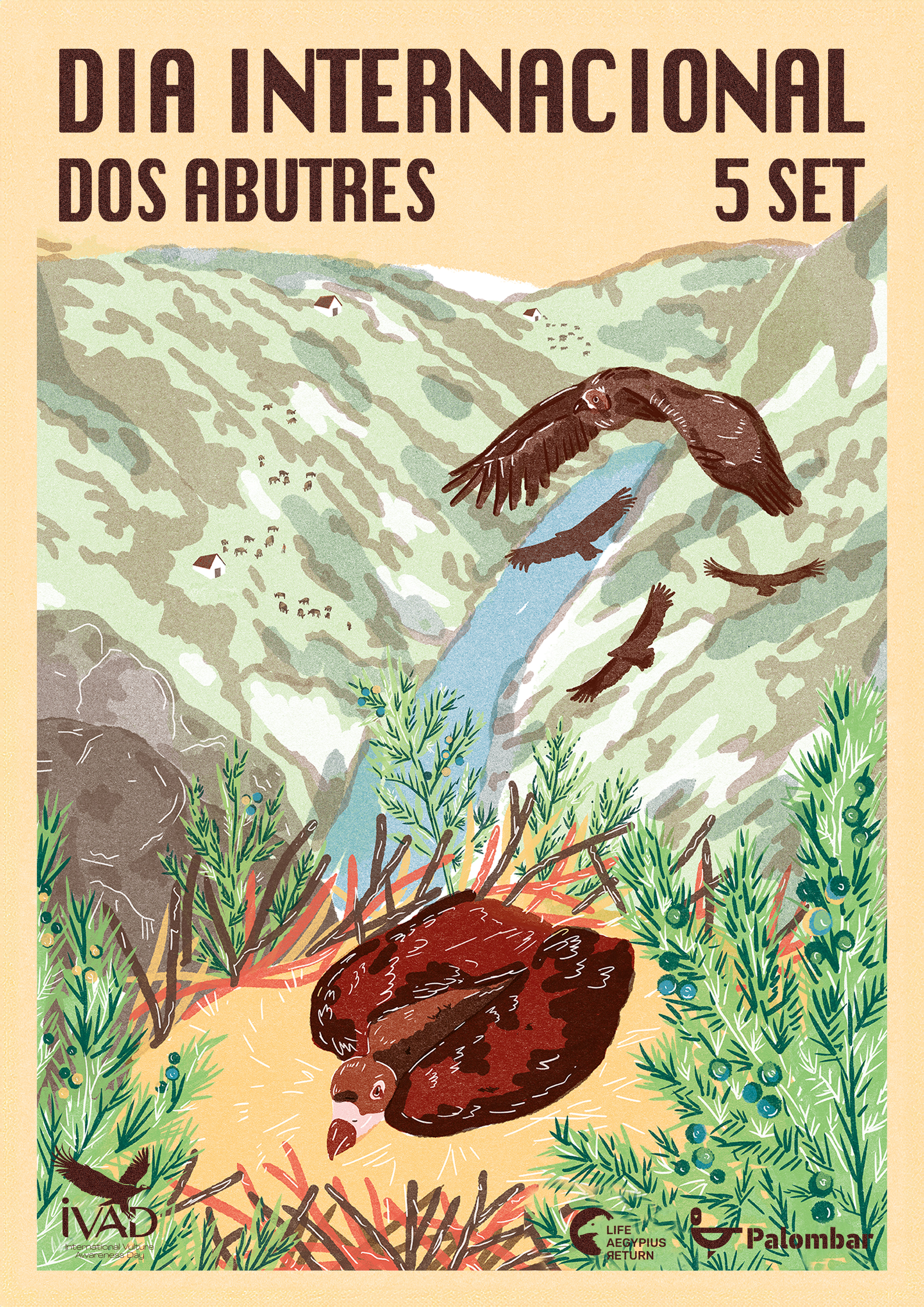
This day was established as part of the ‘Vulture Awareness Days’ initiative, promoted by the Birds of Prey Programme of the Endangered Wildlife Trust in South Africa and the Hawk Conservancy Trust in England, which decided to join forces to turn this initiative into an international event with a global reach.
The main aim of International Vulture Awareness Day (IVD) is to raise awareness amongst the international community of the ecological and social importance of these species, and of their conservation, whilst also highlighting the vital work carried out by conservationists and members of the public around the world to preserve these unique birds.
The birds that clean up the environment and protect us
In Europe, there are only four species of vulture:
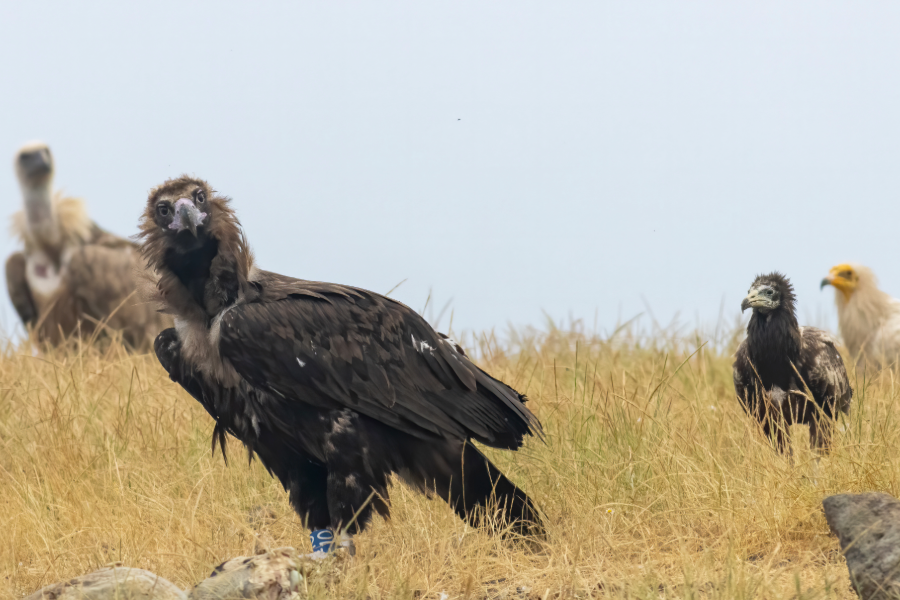
The cinereous vulture (Aegypius monachus), the giant. The largest of them all and also the largest bird in Europe.
.png)
The griffon vulture (Gyps fulvus), the gregarious species. The vulture that forms the largest colonies, which can number in the hundreds.
.png)
The Egyptian vulture (Neophron percnopterus), the charismatic one. The smallest of them all and the most cherished for its size, colours and charismatic appearance.
.png)
The Bearded vulture (Gypaetus barbatus), the bearded face vulture. Extinct in Portugal, it is found in Spain and may one day return.
.png)
Will there be a fifth?
Rüppell’s vulture (Gyps rueppellii), the adventurer. In recent years, this species – which originates from Africa – has been recorded in Europe and may well be yet another vulture species found on European soil. Palombar – Nature and Rural Heritage Conservation has, in recent years, recorded several individuals of this species at the feeding sites for scavenger birds that we manage.
.png)
In Portugal, all species of vultures are legally protected and most are threatened with extinction.
Vultures are a group of birds of vital ecological importance. As sentinels of ecosystems, these scavengers feed primarily on animal carcasses. They fulfil an essential role and contribute to the balance of various ecosystems, as by consuming dead animals they quickly and effectively remove the carcasses from the countryside, cleaning up the environment and preventing the spread of contagious and potentially deadly diseases to other animals and humans. The services they provide us with, naturally at no cost, enable society to save millions of euros and live in a healthy and sustainable environment.
Vultures under pressure need everyone’s help!
Many species of vultures are under pressure worldwide, including in Europe and Portugal. There are numerous threats that put these birds at risk and endanger their survival: poisoning, shooting and other forms of illegal persecution, electrocution and collisions with human infrastructure, large-scale wildfires, and climate change. Collective action and conservation projects are essential to ensure that these species remain amongst us, fulfilling their vital role in ecosystems and benefiting both nature and society. Protect the vultures!
Palombar: decades of work protecting vultures
Palombar has extensive experience in the conservation of these species, ensuring their survival through various projects over 26 years of work and dedication. Find out about our main conservation projects for this group of birds.
LIFE Aegypius Return
The "Consolidating and expanding the Cinereous Vulture population in Portugal and Western Spain" project, coordinated by the VCF – Vulture Conservation Foundation – and involving several partners, including Palombar, was launched in 2022. Its main objective is to increase and consolidate the populations of this species on the Iberian Peninsula, ensuring a promising future that protects it from extinction.
Sentinelas
“Sentinelas – Networking for Monitoring Threats to Wildlife” is a Palombar project developed in partnership with the University of Oviedo (Spain). This project, which began in 2019, is creating a robust and extensive network to monitor various forms of illegal persecution targeting wild animals, as well as other types of human-induced threats, with the aim of tackling this issue more effectively, increasing knowledge in this area, and optimising the management and conservation of biodiversity. Vultures are one of the main groups of birds targeted by this project.
ConnectNatura
"ConnectNatura – Improving Connectivity Conditions for Wildlife between Natura 2000 Network Areas" is a Palombar project whose main objective was to ensure the conservation of strictly and partially necrophagous species listed in Annex I of the European Union’s Birds Directive and which have an unfavourable conservation status in Portugal, in particular the cinereous vulture, the Egyptian vulture, the griffon vulture and the golden eagle (Aquila chrysaetos).
.png)
LIFE Rupis
"Egyptian Vulture and Bonelli's Eagle Conservation in Douro/Duero Canyon" is a cross-border conservation project that has now been completed. Coordinated by SPEA – the Portuguese Society for the Study of Birds, this project involved several partners, including Palombar, and its main objective was to conserve and protect these two threatened bird species.
Grupo Nordeste
Nordeste Group
"Nordeste – Group for the Promotion of Sustainable Development" comprises AEPGA – Association for the Study and Protection of Donkeys, APFNT – the Association of Forest Producers of the North-East of Trás-os-Montes – and Palombar. It aims to implement an intervention model which, by combining nature conservation with agriculture and sustainable forestry, promotes the involvement of local communities and stimulates the integrated development of rural areas in the Sabor and Maçãs river valleys. As part of this project, various vulture conservation initiatives are being carried out in the north-east of Trás-os-Montes.
This day was established as part of the ‘Vulture Awareness Days’ initiative, promoted by the Birds of Prey Programme of the Endangered Wildlife Trust in South Africa and the Hawk Conservancy Trust in England, which decided to join forces to turn this initiative into an international event with a global reach.
The main aim of International Vulture Awareness Day (IVD) is to raise awareness amongst the international community of the ecological and social importance of these species, and of their conservation, whilst also highlighting the vital work carried out by conservationists and members of the public around the world to preserve these unique birds.
The birds that clean up the environment and protect us
In Europe, there are only four species of vulture:
The cinereous vulture (Aegypius monachus), the giant. The largest of them all and also the largest bird in Europe.
The griffon vulture (Gyps fulvus), the gregarious species. The vulture that forms the largest colonies, which can number in the hundreds.
The Egyptian vulture (Neophron percnopterus), the charismatic one. The smallest of them all and the most cherished for its size, colours and charismatic appearance.
The Bearded vulture (Gypaetus barbatus), the bearded face vulture. Extinct in Portugal, it is found in Spain and may one day return.
Will there be a fifth?
Rüppell’s vulture (Gyps rueppellii), the adventurer. In recent years, this species – which originates from Africa – has been recorded in Europe and may well be yet another vulture species found on European soil. Palombar – Nature and Rural Heritage Conservation has, in recent years, recorded several individuals of this species at the feeding sites for scavenger birds that we manage.
In Portugal, all species of vultures are legally protected and most are threatened with extinction.
Vultures are a group of birds of vital ecological importance. As sentinels of ecosystems, these scavengers feed primarily on animal carcasses. They fulfil an essential role and contribute to the balance of various ecosystems, as by consuming dead animals they quickly and effectively remove the carcasses from the countryside, cleaning up the environment and preventing the spread of contagious and potentially deadly diseases to other animals and humans. The services they provide us with, naturally at no cost, enable society to save millions of euros and live in a healthy and sustainable environment.
Vultures under pressure need everyone’s help!
Many species of vultures are under pressure worldwide, including in Europe and Portugal. There are numerous threats that put these birds at risk and endanger their survival: poisoning, shooting and other forms of illegal persecution, electrocution and collisions with human infrastructure, large-scale wildfires, and climate change. Collective action and conservation projects are essential to ensure that these species remain amongst us, fulfilling their vital role in ecosystems and benefiting both nature and society. Protect the vultures!
Palombar: decades of work protecting vultures
Palombar has extensive experience in the conservation of these species, ensuring their survival through various projects over 26 years of work and dedication. Find out about our main conservation projects for this group of birds.
LIFE Aegypius Return
The "Consolidating and expanding the Cinereous Vulture population in Portugal and Western Spain" project, coordinated by the VCF – Vulture Conservation Foundation – and involving several partners, including Palombar, was launched in 2022. Its main objective is to increase and consolidate the populations of this species on the Iberian Peninsula, ensuring a promising future that protects it from extinction.
Sentinelas
“Sentinelas – Networking for Monitoring Threats to Wildlife” is a Palombar project developed in partnership with the University of Oviedo (Spain). This project, which began in 2019, is creating a robust and extensive network to monitor various forms of illegal persecution targeting wild animals, as well as other types of human-induced threats, with the aim of tackling this issue more effectively, increasing knowledge in this area, and optimising the management and conservation of biodiversity. Vultures are one of the main groups of birds targeted by this project.
ConnectNatura
"ConnectNatura – Improving Connectivity Conditions for Wildlife between Natura 2000 Network Areas" is a Palombar project whose main objective was to ensure the conservation of strictly and partially necrophagous species listed in Annex I of the European Union’s Birds Directive and which have an unfavourable conservation status in Portugal, in particular the cinereous vulture, the Egyptian vulture, the griffon vulture and the golden eagle (Aquila chrysaetos).
LIFE Rupis
"Egyptian Vulture and Bonelli's Eagle Conservation in Douro/Duero Canyon" is a cross-border conservation project that has now been completed. Coordinated by SPEA – the Portuguese Society for the Study of Birds, this project involved several partners, including Palombar, and its main objective was to conserve and protect these two threatened bird species.
Grupo Nordeste
Nordeste Group
"Nordeste – Group for the Promotion of Sustainable Development" comprises AEPGA – Association for the Study and Protection of Donkeys, APFNT – the Association of Forest Producers of the North-East of Trás-os-Montes – and Palombar. It aims to implement an intervention model which, by combining nature conservation with agriculture and sustainable forestry, promotes the involvement of local communities and stimulates the integrated development of rural areas in the Sabor and Maçãs river valleys. As part of this project, various vulture conservation initiatives are being carried out in the north-east of Trás-os-Montes.