


12 September 2022
Study reveals for the first time the true dimension of the impact of illegal poisoning use on biodiversity in the Iberian Peninsula
A study published recently in the journal Biological Conservation reveals the real dimension of the impact of the illegal use of poisons on biodiversity in the Iberian Peninsula. This research estimated, for the first time, the number of species that are actually affected by the illegal use of poisons, showing that there are more than expected: in total, up to 47 vertebrate species, including birds, mammals and reptiles. The extent of this threat was, until now, unknown due to the low detection rate of poisoning cases in the wild.
The study, entitled "Unraveling the real magnitude of illegal wildlife poisoning to halt cryptic biodiversity loss", was carried out by researchers from the Autonomous University of Madrid (UAM), the Biodiversity Research Institute (IMIB), the Institute for Game and Wildlife Research (IREC), all in Spain, and the non-governmental environmental organisation Palombar - Nature and Rural Heritage Conservation, in collaboration with the Monfragüe National Park, also in Spain.
In Portugal, the fieldwork was carried out by the Palombar's team in areas of the Natura 2000 Network and the National Network of Protected Areas, namely in the Douro International Natural Park and Special Areas of Conservation and Special Protection Areas Douro Internacional and Águeda Valley and Sabor and Maçãs Rivers, within the scope of the 'Sentinelas project - Networking for Monitoring Threats to Wildlife', financed by the 'Fundo Ambiental' from the Portuguese Ministry of Environment and Climate Action.
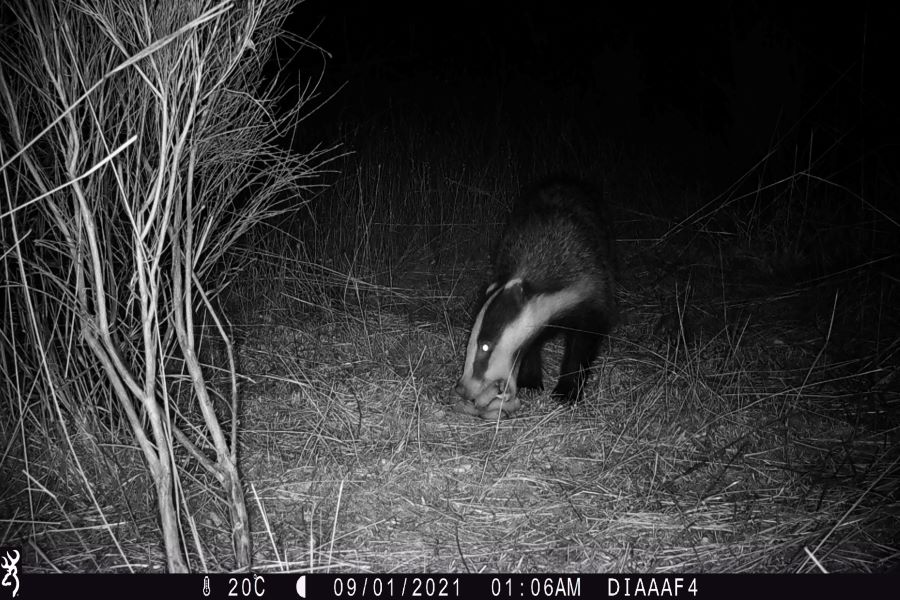
The research was based on a large-scale field experiment consisting of placing simulated baits (almost 600) distributed in representative areas of the main ecosystems of the Iberian Peninsula and assessing the biodiversity susceptible to the consumption of these baits, which were monitored using camera traps.
Around 3 100 individuals have consumed the simulated baits and 47 vertebrate species are susceptible to poisoning
The results showed that nearly 3 100 individuals consumed the baits and that up to 47 vertebrate species are susceptible to illegal poisoning in the Iberian Peninsula, from small rodents such as mice and dormice, reptiles such as lizards and snakes, and large predators such as wolves, bears and eagles. Of these species, 25% are listed as threatened at national or international level.
The species that consumed the simulated baits most frequently, and were therefore most susceptible to poisoning, were the red fox (Vulpes vulpes), the common raven (Corvus corax), the griffon vulture (Gyps fulvus), the stone marten (Martes foina) and the pine marten (Martes martes), several species of mice, the wild boar (Sus scrofa) and the dog.
In addition to showing which fauna species are most susceptible to poisoning, the study also developed statistical models capable of predicting the number of species and individuals affected in a poisoning event, according to the type of bait used and the habitat where it was placed. The research additionally discovered how the type of bait and the habitat where it is found exert an influence on which species are most susceptible to being poisoned, which could help guide the search in the field in case of poisoning.
The results have revealed the true dimension of the impact of illegal poisoning on wildlife in the main ecosystems of the Iberian Peninsula and will help to improve the inspection of baits and poisoned animals in the wild and to combat this serious threat to biodiversity more effectively.
The study, entitled "Unraveling the real magnitude of illegal wildlife poisoning to halt cryptic biodiversity loss", was carried out by researchers from the Autonomous University of Madrid (UAM), the Biodiversity Research Institute (IMIB), the Institute for Game and Wildlife Research (IREC), all in Spain, and the non-governmental environmental organisation Palombar - Nature and Rural Heritage Conservation, in collaboration with the Monfragüe National Park, also in Spain.
In Portugal, the fieldwork was carried out by the Palombar's team in areas of the Natura 2000 Network and the National Network of Protected Areas, namely in the Douro International Natural Park and Special Areas of Conservation and Special Protection Areas Douro Internacional and Águeda Valley and Sabor and Maçãs Rivers, within the scope of the 'Sentinelas project - Networking for Monitoring Threats to Wildlife', financed by the 'Fundo Ambiental' from the Portuguese Ministry of Environment and Climate Action.
The research was based on a large-scale field experiment consisting of placing simulated baits (almost 600) distributed in representative areas of the main ecosystems of the Iberian Peninsula and assessing the biodiversity susceptible to the consumption of these baits, which were monitored using camera traps.
Around 3 100 individuals have consumed the simulated baits and 47 vertebrate species are susceptible to poisoning
The results showed that nearly 3 100 individuals consumed the baits and that up to 47 vertebrate species are susceptible to illegal poisoning in the Iberian Peninsula, from small rodents such as mice and dormice, reptiles such as lizards and snakes, and large predators such as wolves, bears and eagles. Of these species, 25% are listed as threatened at national or international level.
The species that consumed the simulated baits most frequently, and were therefore most susceptible to poisoning, were the red fox (Vulpes vulpes), the common raven (Corvus corax), the griffon vulture (Gyps fulvus), the stone marten (Martes foina) and the pine marten (Martes martes), several species of mice, the wild boar (Sus scrofa) and the dog.
In addition to showing which fauna species are most susceptible to poisoning, the study also developed statistical models capable of predicting the number of species and individuals affected in a poisoning event, according to the type of bait used and the habitat where it was placed. The research additionally discovered how the type of bait and the habitat where it is found exert an influence on which species are most susceptible to being poisoned, which could help guide the search in the field in case of poisoning.
The results have revealed the true dimension of the impact of illegal poisoning on wildlife in the main ecosystems of the Iberian Peninsula and will help to improve the inspection of baits and poisoned animals in the wild and to combat this serious threat to biodiversity more effectively.