


22 October 2026
Palombar brings the voice of the region to the 32nd Conference on Environmental Education in Bragança
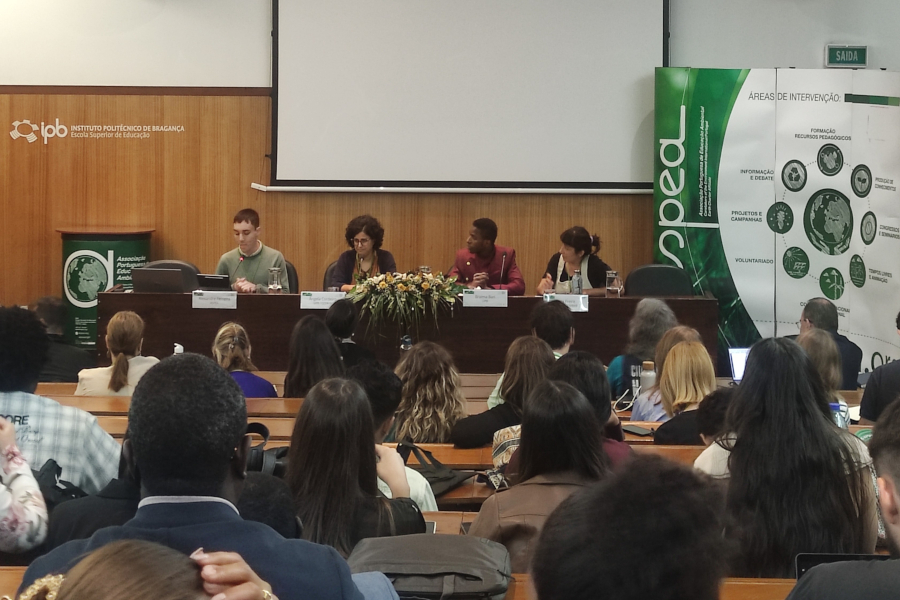
The event brought together around 180 people to discuss and share knowledge and experiences in the field of environmental education, in the area where we have chosen to settle. Photo: Liliana Barosa/Palombar.
We emphasise the importance of combining nature and heritage conservation with the involvement of local communities and the promotion of local knowledge and the local area
Palombar – Nature and Rural Heritage Conservation took part in the 32nd Environmental Education Conference, which took place between 15 and 18 October, in Bragança, organised by the Portuguese Association for Environmental Education (ASPEA), the Polytechnic University of Bragança (UPB) and Bragança Municipal Council, under the theme ‘Environmental Education and Territorial Cohesion: why do we choose to stay?’.
This initiative brought together around 180 researchers, educators, teachers, students, associations and other civil society actors to reflect on the role of environmental education in building more sustainable, resilient and socially cohesive communities, against a backdrop of profound social, environmental and demographic changes.
During this conference, Palombar played a decisive role in highlighting the importance of involving local organisations in discussions and actions concerning the future of rural communities. We believe that environmental education is an essential tool for bringing people and nature closer together, encouraging active citizenship and promoting vibrant, resilient and sustainable communities.
Placing the opportunities and challenges of rural areas at the heart of the debate
During this conference, Palombar placed the challenges and opportunities facing low-density regions at the centre of the debate. We took part in the panel discussion on the theme ‘Environmental Education and Territorial Cohesion – The Voice of Young People’, which featured Sara Freire, the specialist responsible for Environmental Education, Volunteering and Ecotourism at Palombar. This panel encouraged reflection on the role of young people in building more cohesive and sustainable regions, providing a platform for their perspectives, experiences and contributions to addressing current environmental and social challenges.
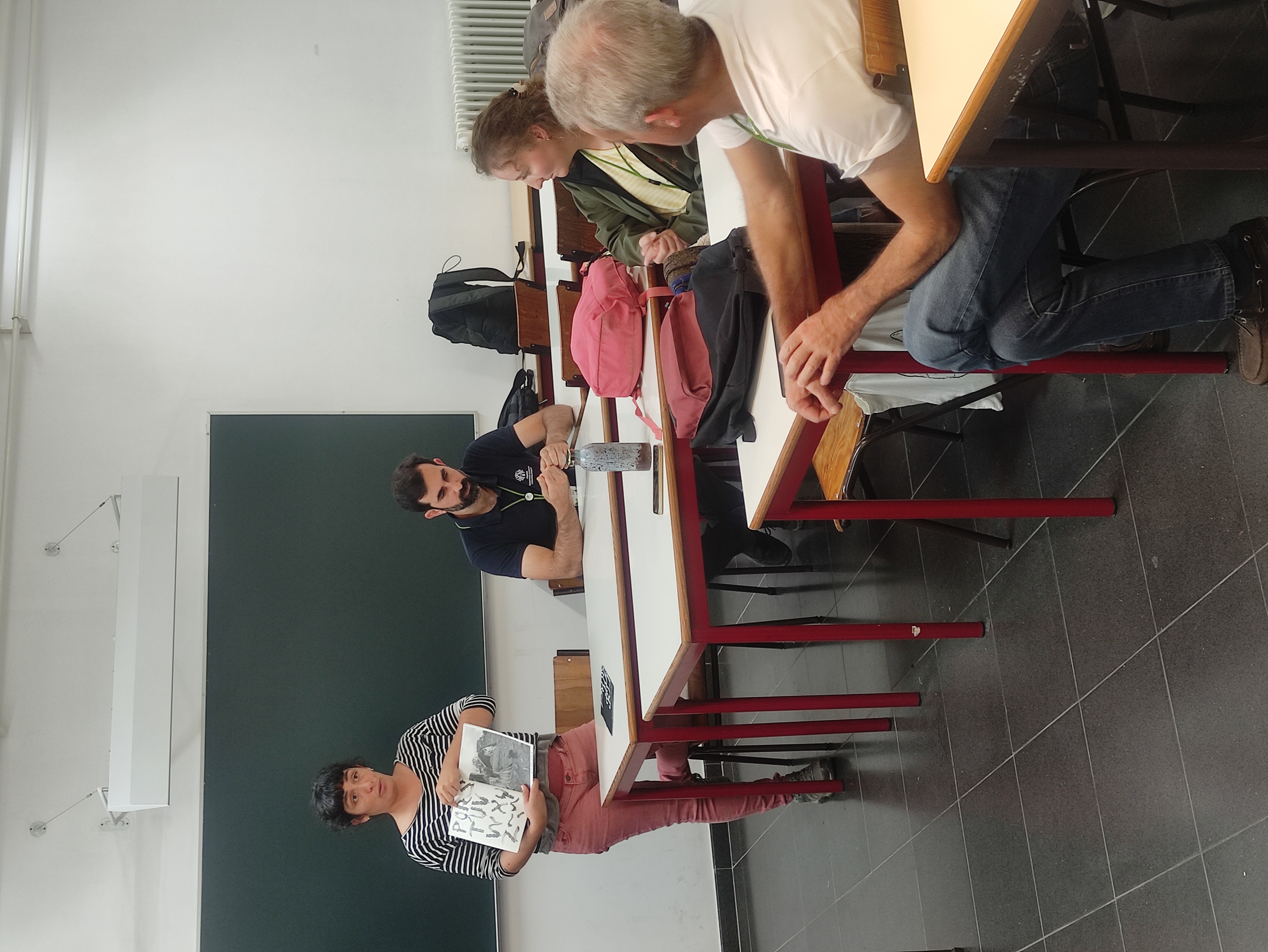
Sara Freire also took part in the Working Group/Oral Presentations session on ‘Environmental Education through Tangible and Intangible Heritage’, giving a brief presentation on the project ‘Shared Futures – Collaborative narratives to reimagine multispecies coexistence’, during which various approaches and experiences were presented and a number of challenges were discussed.
Out in the field, connecting with the local area and its heritage
The Palombar team also organised the “Focus on Nature” workshop, leading an interpretative trail that ended at the traditional dovecote on the campus, and promoted a dedicated space for outreach and information, for example, to present the projects we are developing, such as LIFE SOS Pygargus and LIFE Aegypius Return, and to raise funds.
Throughout the conference, key topics were discussed, such as the promotion of local resources, innovation, tangible and intangible heritage, climate change and biodiversity loss. The sharing of experiences between institutions, experts and communities helped to reinforce the importance of combining scientific knowledge, local wisdom and civic participation to find solutions tailored to the needs of each region.
In a context marked by depopulation and environmental change, the question “Why do we choose to stay?”, raised by this conference, takes on particular importance in the North-East of Trás-os-Montes. Valuing nature, preserving heritage and creating opportunities for participation and development within local communities are fundamental aspects of strengthening people’s connection to the places where they live. This is what drives us. We have chosen to stay, and we want to stay.
Palombar – Nature and Rural Heritage Conservation took part in the 32nd Environmental Education Conference, which took place between 15 and 18 October, in Bragança, organised by the Portuguese Association for Environmental Education (ASPEA), the Polytechnic University of Bragança (UPB) and Bragança Municipal Council, under the theme ‘Environmental Education and Territorial Cohesion: why do we choose to stay?’.
This initiative brought together around 180 researchers, educators, teachers, students, associations and other civil society actors to reflect on the role of environmental education in building more sustainable, resilient and socially cohesive communities, against a backdrop of profound social, environmental and demographic changes.
During this conference, Palombar played a decisive role in highlighting the importance of involving local organisations in discussions and actions concerning the future of rural communities. We believe that environmental education is an essential tool for bringing people and nature closer together, encouraging active citizenship and promoting vibrant, resilient and sustainable communities.
Placing the opportunities and challenges of rural areas at the heart of the debate
During this conference, Palombar placed the challenges and opportunities facing low-density regions at the centre of the debate. We took part in the panel discussion on the theme ‘Environmental Education and Territorial Cohesion – The Voice of Young People’, which featured Sara Freire, the specialist responsible for Environmental Education, Volunteering and Ecotourism at Palombar. This panel encouraged reflection on the role of young people in building more cohesive and sustainable regions, providing a platform for their perspectives, experiences and contributions to addressing current environmental and social challenges.
Sara Freire also took part in the Working Group/Oral Presentations session on ‘Environmental Education through Tangible and Intangible Heritage’, giving a brief presentation on the project ‘Shared Futures – Collaborative narratives to reimagine multispecies coexistence’, during which various approaches and experiences were presented and a number of challenges were discussed.
The “Shared Futures” project brings together several generations in a collaborative approach to promote coexistence between different species. Photo: Liliana Barosa/Palombar.
Out in the field, connecting with the local area and its heritage
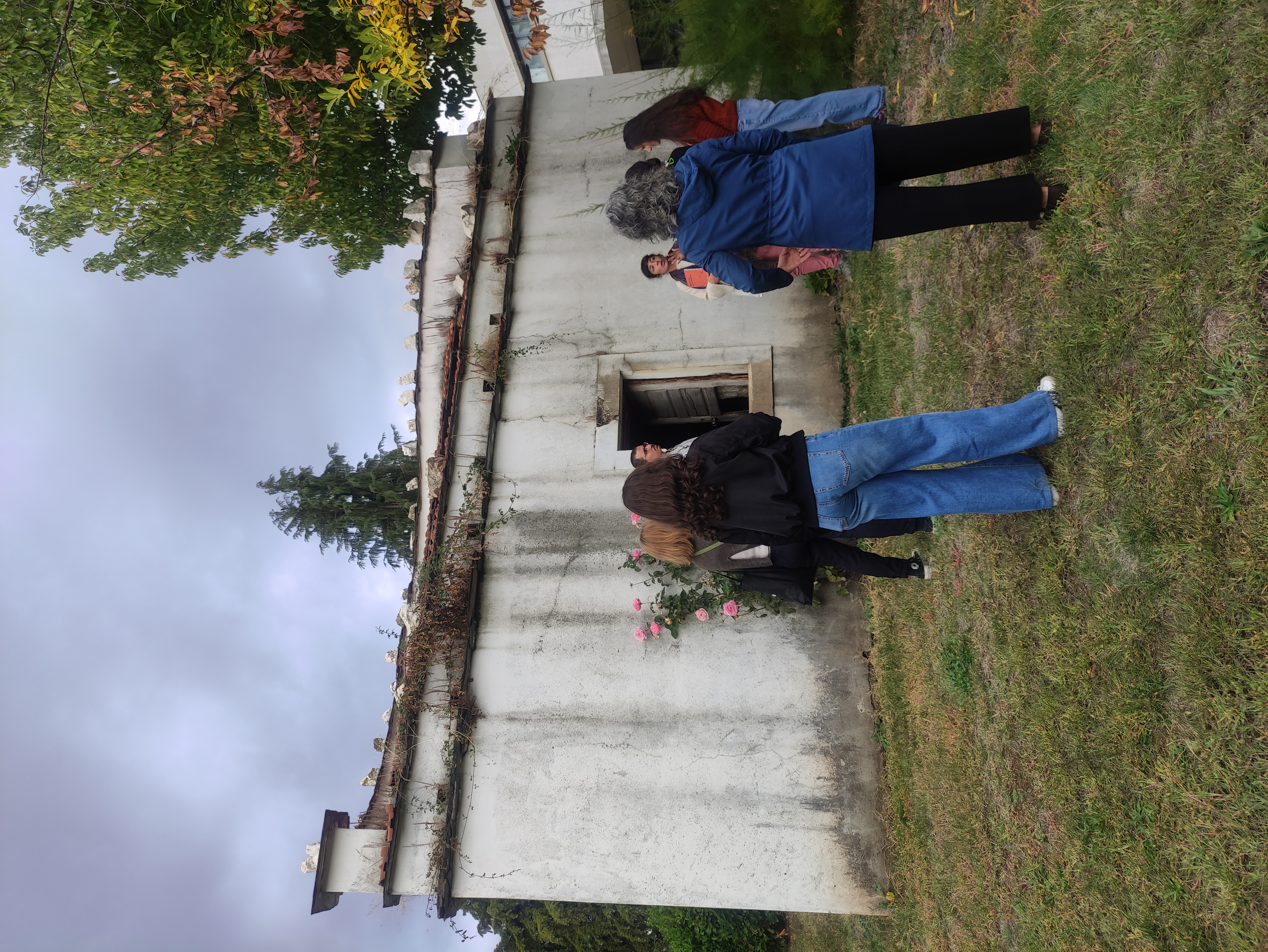
The Palombar team also organised the “Focus on Nature” workshop, leading an interpretative trail that ended at the traditional dovecote on the campus, and promoted a dedicated space for outreach and information, for example, to present the projects we are developing, such as LIFE SOS Pygargus and LIFE Aegypius Return, and to raise funds.
The interpretative trail explored the built heritage, such as the campus’s traditional dovecote and the stone walls. Photo: Liliana Barosa/Palombar.
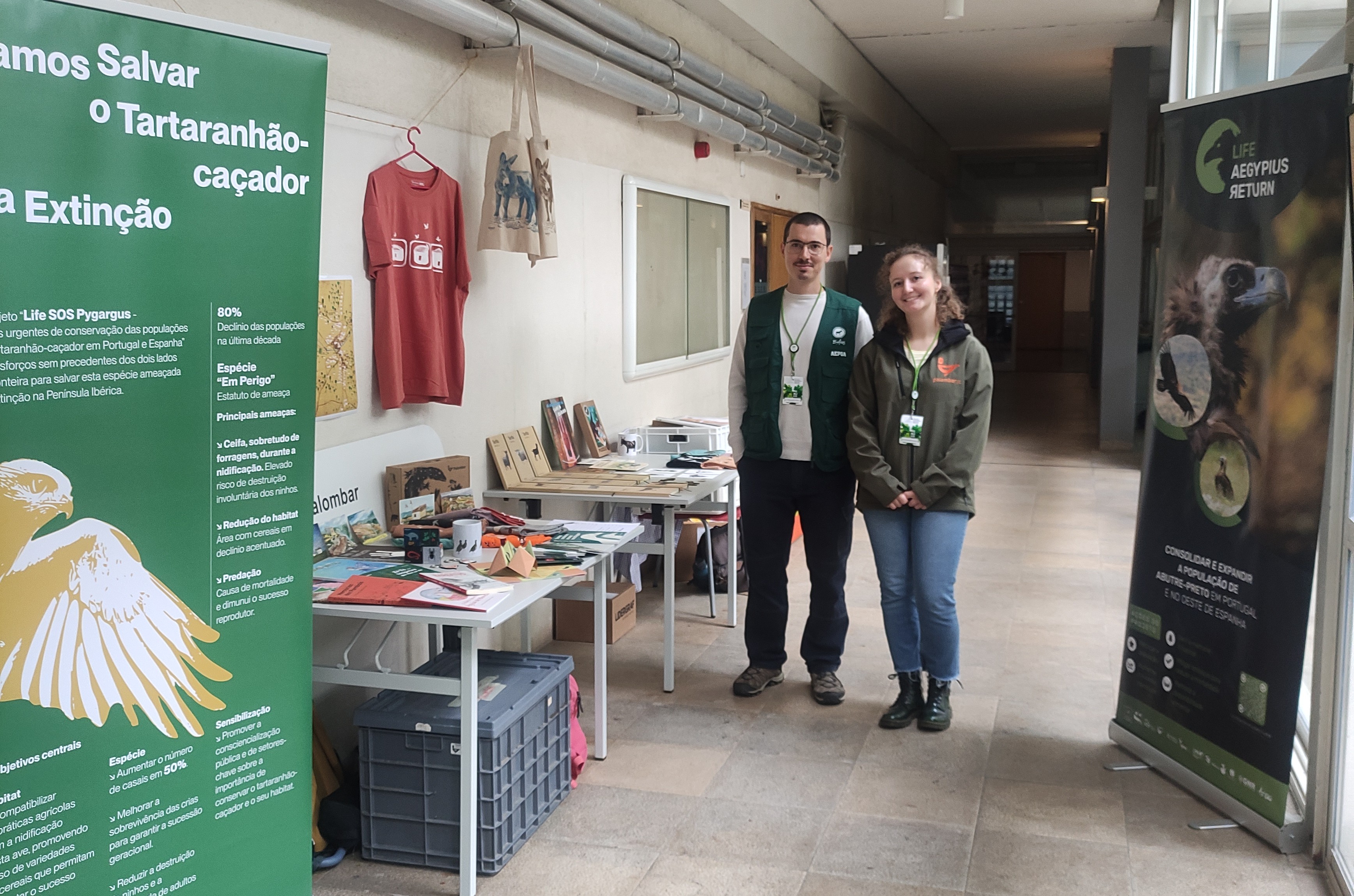
The LIFE SOS Pygargus and LIFE Aegypius Return projects were highlighted at the Palombar stand. Photo: Liliana Barosa/Palombar.
Throughout the conference, key topics were discussed, such as the promotion of local resources, innovation, tangible and intangible heritage, climate change and biodiversity loss. The sharing of experiences between institutions, experts and communities helped to reinforce the importance of combining scientific knowledge, local wisdom and civic participation to find solutions tailored to the needs of each region.
In a context marked by depopulation and environmental change, the question “Why do we choose to stay?”, raised by this conference, takes on particular importance in the North-East of Trás-os-Montes. Valuing nature, preserving heritage and creating opportunities for participation and development within local communities are fundamental aspects of strengthening people’s connection to the places where they live. This is what drives us. We have chosen to stay, and we want to stay.