


26 October 2026
OET Durius Project: Palombar contributes to the modelling of key data for the Douro Cross-Border Ecological Observatory
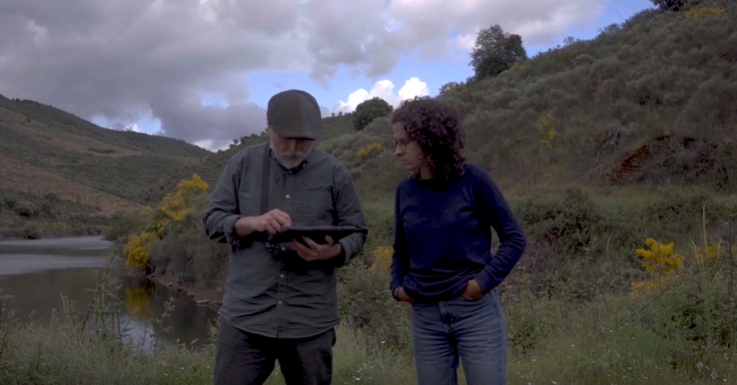
A team of technicians and researchers from Palombar modelled data on biodiversity and the territory.
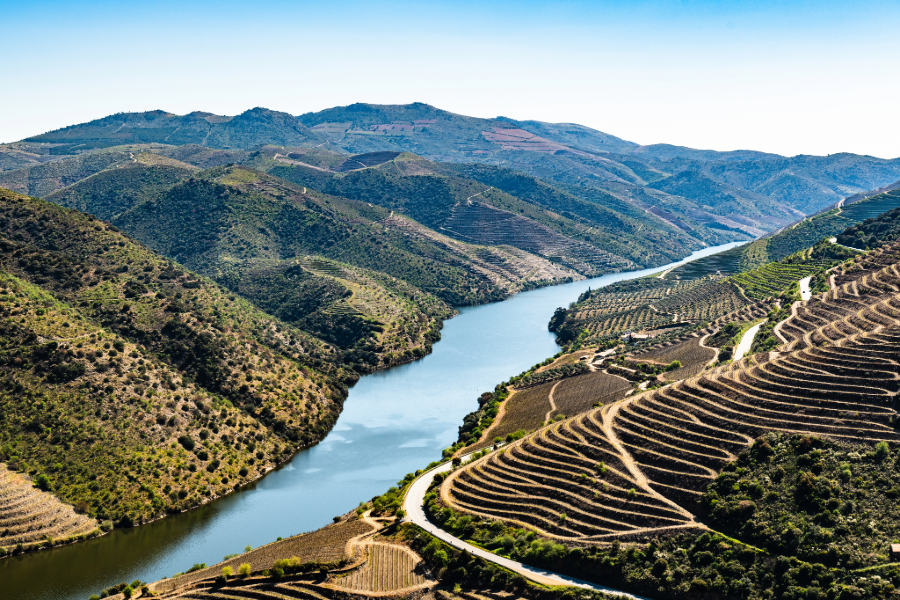
Palombar – Nature and Rural Heritage Conservation carried out, as part of the “OET Durius – Douro Cross-Border Ecological Observatory” project, vital work that enabled the modelling of the data compiled on biodiversity and the territory, with a view to delineating the cross-border Douro ecological corridor.
We collected and modelled biodiversity data based on the characteristics of the territory, including historical and current data on land use, fires, sources of pollution, the presence of renewable energy infrastructure and different types of human infrastructure. Information on climate and topography was also included, as these are essential for understanding, as a whole, how ecological connectivity is structured in the cross-border region.
Key ecological corridors identified
This study enabled us to identify the key ecological corridors used by wildlife, as well as priority areas for the implementation of green infrastructure, with the aim of improving ecological connectivity in the region.
.png)
The information compiled will soon be incorporated into a freely and easily accessible digital platform that will allow the public to consult, interact with and update data, and which will be gradually expanded.
Pilot areas for green infrastructure interventions
Based on the modelled ecological corridor, pilot areas for restoration have been identified and marked out through the implementation of green infrastructure, which will promote the ecological connectivity of biodiversity, improve the wellbeing of nearby communities and serve as an example for future interventions carried out by local authorities.
About the project
The main objective of the OET Durius project is to create the Douro Cross-Border Ecological Observatory, with a view to restoring, protecting and conserving ecosystems, biodiversity and their connectivity in the Douro River ecological corridor, in order to improve the quality of life and well-being of local communities. It will be implemented in the period 2024-2027. It is 75% funded by the European Union's Interreg VI-A Spain-Portugal (POCTEP) 2021-2027 programme.
It is implemented by a consortium of eight entities from Spain and Portugal: Fundación Santa María la Real (coordinating entity), Iberian Association of Riverside Municipalities of the Douro (AIMRD), Habitat Eficiente AEICE cluster, University of Salamanca, Zamora City Council, Palombar, Intermunicipal Community of the Douro (CIM Douro) and Intermunicipal Community of Terras de Trás-os-Montes (CIM-TTM).
We collected and modelled biodiversity data based on the characteristics of the territory, including historical and current data on land use, fires, sources of pollution, the presence of renewable energy infrastructure and different types of human infrastructure. Information on climate and topography was also included, as these are essential for understanding, as a whole, how ecological connectivity is structured in the cross-border region.
Key ecological corridors identified
This study enabled us to identify the key ecological corridors used by wildlife, as well as priority areas for the implementation of green infrastructure, with the aim of improving ecological connectivity in the region.
The study has identified the main ecological corridors used by wildlife.
The information will be available on a freely accessible digital platform
The information compiled will soon be incorporated into a freely and easily accessible digital platform that will allow the public to consult, interact with and update data, and which will be gradually expanded.
Pilot areas for green infrastructure interventions
Based on the modelled ecological corridor, pilot areas for restoration have been identified and marked out through the implementation of green infrastructure, which will promote the ecological connectivity of biodiversity, improve the wellbeing of nearby communities and serve as an example for future interventions carried out by local authorities.
Pilot areas have been identified to promote restoration through the implementation of green infrastructure.
About the project
The main objective of the OET Durius project is to create the Douro Cross-Border Ecological Observatory, with a view to restoring, protecting and conserving ecosystems, biodiversity and their connectivity in the Douro River ecological corridor, in order to improve the quality of life and well-being of local communities. It will be implemented in the period 2024-2027. It is 75% funded by the European Union's Interreg VI-A Spain-Portugal (POCTEP) 2021-2027 programme.
It is implemented by a consortium of eight entities from Spain and Portugal: Fundación Santa María la Real (coordinating entity), Iberian Association of Riverside Municipalities of the Douro (AIMRD), Habitat Eficiente AEICE cluster, University of Salamanca, Zamora City Council, Palombar, Intermunicipal Community of the Douro (CIM Douro) and Intermunicipal Community of Terras de Trás-os-Montes (CIM-TTM).