


14 May 2026
The 1st SerE+ Project Collaborative Workshop brought together various sectors to discuss the ecosystem services of Serra da Estrela
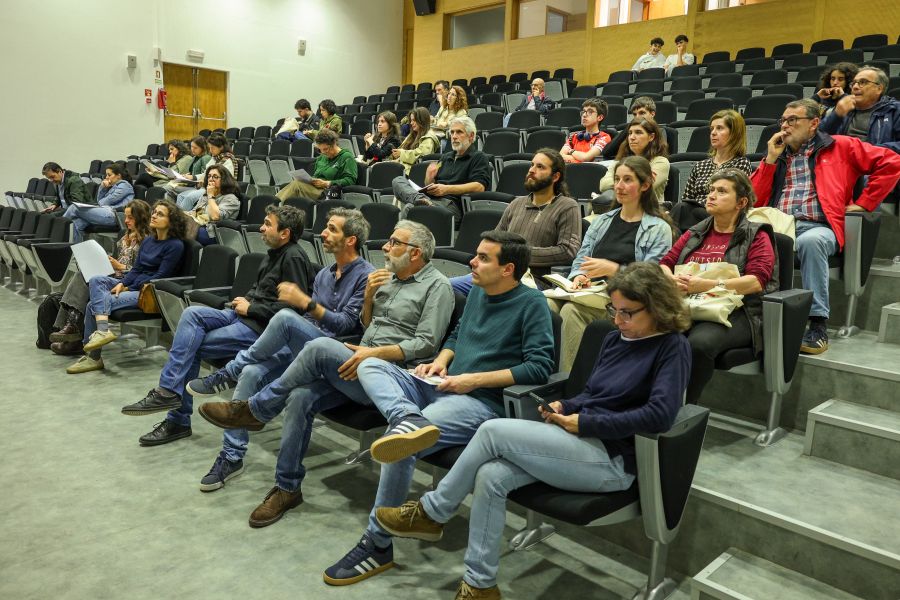
The 1st Collaborative Workshop highlighted areas of common ground and identified challenges. Photo: Municipality of Seia
The session was attended by 23 representatives from various sectors, including beekeeping, agriculture, sheep farming, tourism, the cultural sector, architecture and landscape design, scientific research, public administration and other activities linked to nature and the region’s resources.
The workshop was supported by a multidisciplinary team of 12 moderators and researchers from Palombar, CISE – Serra da Estrela Interpretation Centre, the Municipality of Seia, CE3C – Centre for Ecology, Evolution and Environmental Change at the Faculty of Sciences of the University of Lisbon, EDB-CSIC – Doñana Biological Station, and CESOP – Centre for Studies and Opinion Polls at the Portuguese Catholic University.
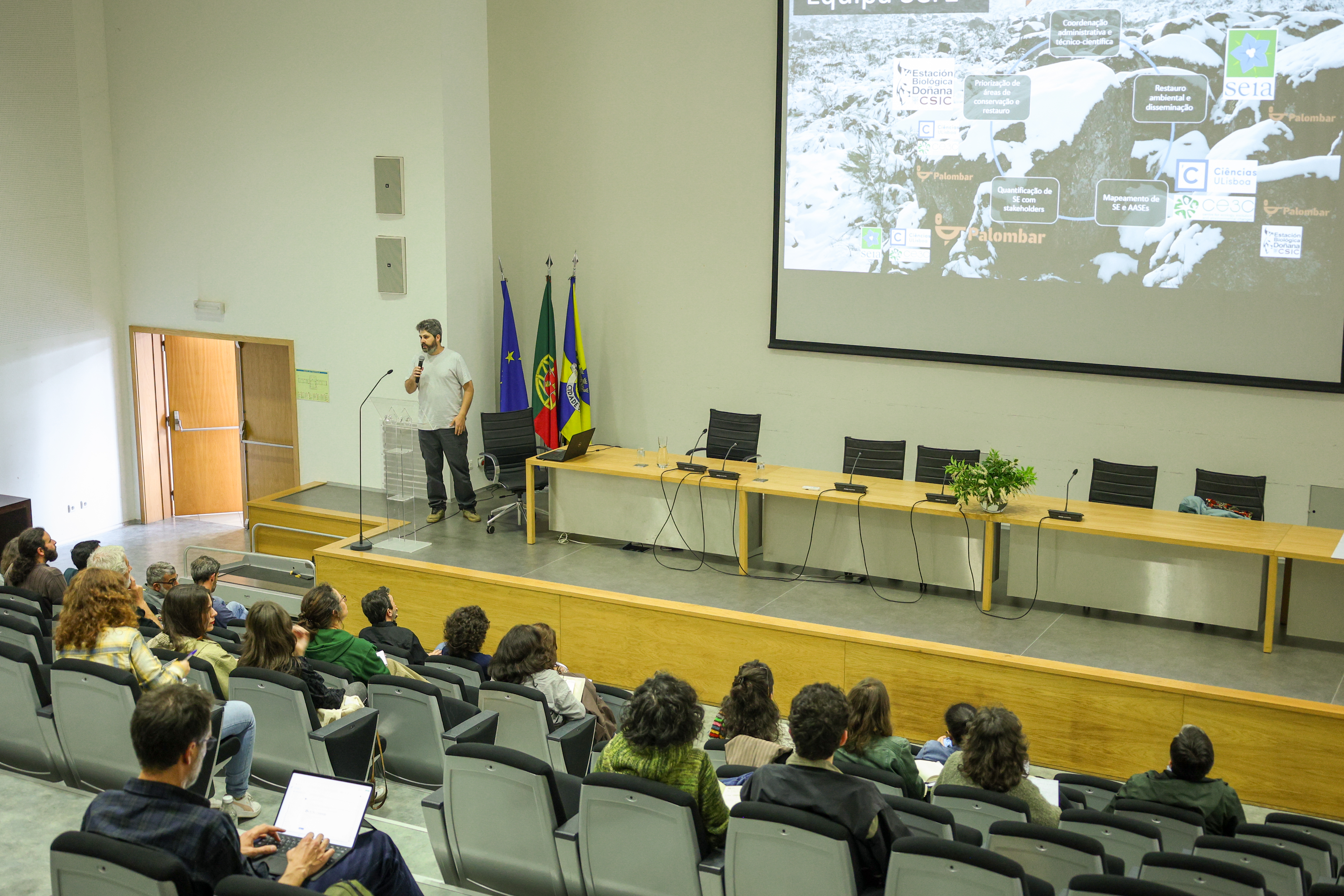
The involvement of representatives from various sectors was essential to strengthen the project’s approach and course of action. Photo: Municipality of Seia.
From science to citizen participation: thinking about Ecosystem Services collaboratively
The four-hour workshop was organised into three main parts: presentation of the project and key concepts, group work activities and a final plenary session.
The process stood out for the way in which scientific concepts were translated into an accessible, participatory and engaging approach, using gamification techniques, allowing participants to explore the territory in a practical and structured manner.
The dynamics developed aimed to translate the participants' perceptions into quantitative terms, ensuring that everyone’s opinion would be considered equally.
.jpeg)
Gamification tools were used in the group activities to engage participants in an appealing and practical way. Photo: Municipality of Seia.
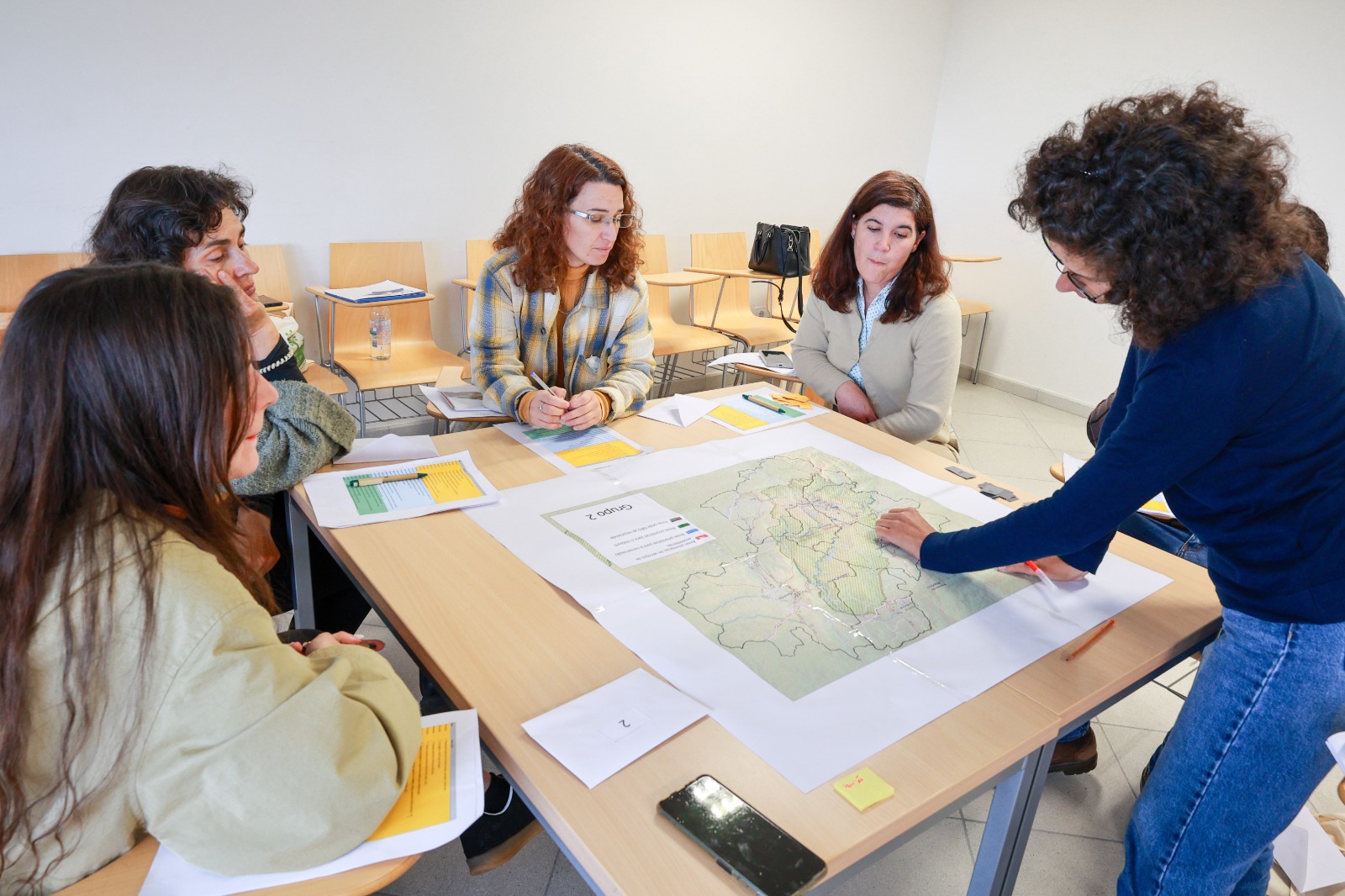
Five groups worked on two thematic panels. Photo: Municipality of Seia.
Group work: identifying priorities and mapping the area
The participants were divided into five groups, working on two complementary thematic panels. In Panel 1, the main ecosystem services were identified and prioritised, along with the threats and areas requiring action.
.jpg)
Panel 1 focused on the ecosystem services of Serra da Estrela. Photo: Municipality of Seia.
In Panel 2, the groups worked directly on the map of the study area – corresponding to the total area of the six municipalities that make up the Serra da Estrela Natural Park (PNSE) – identifying priority areas for conservation, ecological restoration and the enhancement of the identified services, both within and outside the Park’s boundaries.
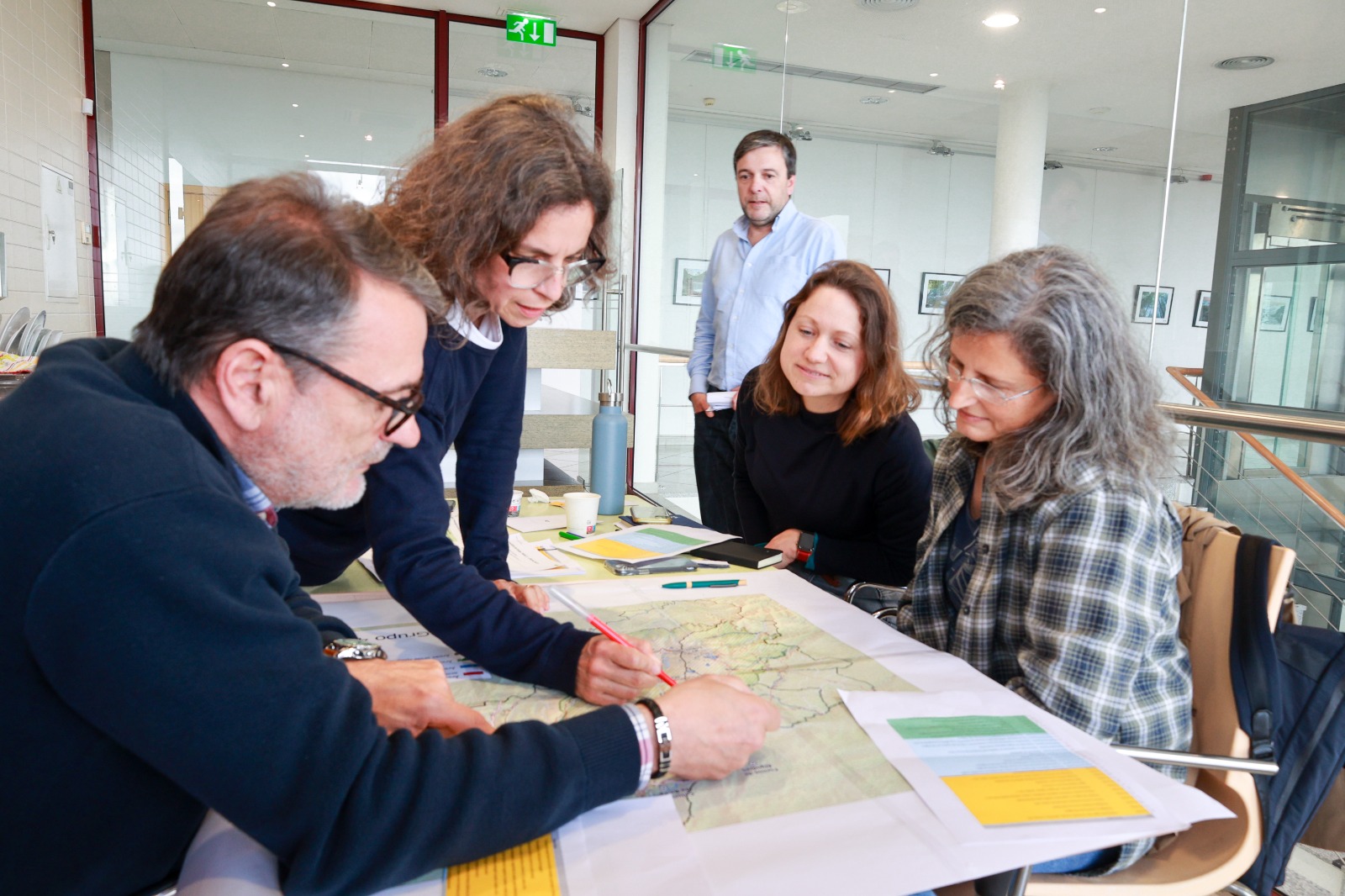
Panel 2 focused on mapping the study area and defining priority zones for promoting ecological restoration. Photo: Municipality of Seia.
Preliminary results: clear areas of agreement and identified challenges
An initial analysis of the contributions revealed a strong consensus among the different groups, despite the diversity of the profiles represented. Among the most frequently highlighted themes were issues related to wildfires – both in terms of the key regulatory services provided by natural ecosystems and their main threats – the supply of water for consumption – as the primary provisioning service – and the role of natural ecosystems for the future of new generations, reflecting concerns widely shared across the region.
The diversity of opinions was most evident when addressing priorities for action, with particular emphasis on issues related to the conservation and restoration of natural habitats and the integration of ecosystem services as tools for land management, but also on issues concerning the region’s economic activities, such as strengthening sustainable agriculture and pastoralism and financial compensation for landowners for the ecosystem services provided by the territory.
.jpeg)
Contributions revealed a high degree of consensus among the different groups, despite the diversity of sectors represented. Photo: CISE – Serra da Estrela Interpretation Centre.
Finally, identifying priority areas outside the Serra da Estrela Natural Park proved more challenging, suggesting that these areas are less recognised or less protected.
Although participants often demonstrated prior knowledge and awareness of the topic of Ecosystem Services, the session highlighted the ability to build broad consensus across different sectors, an aspect considered particularly relevant by the organising team.
Next steps: boosting participation and deepening the analysis
Following this first workshop, an online version of the survey will be made available, allowing for broader participation and the collection of additional contributions until the end of May 2026.
The SerE+ project’s workshop cycle will continue with two further sessions: one dedicated to the valuation of Ecosystem Services based on land use, and another focused on the validation and refinement of the maps produced, consolidating the results obtained through a collaborative process between science and the local area. In these last two sessions, public policy options will also be discussed that could economically value ecosystem services in the Serra da Estrela region and effectively integrate them into the regional economy.
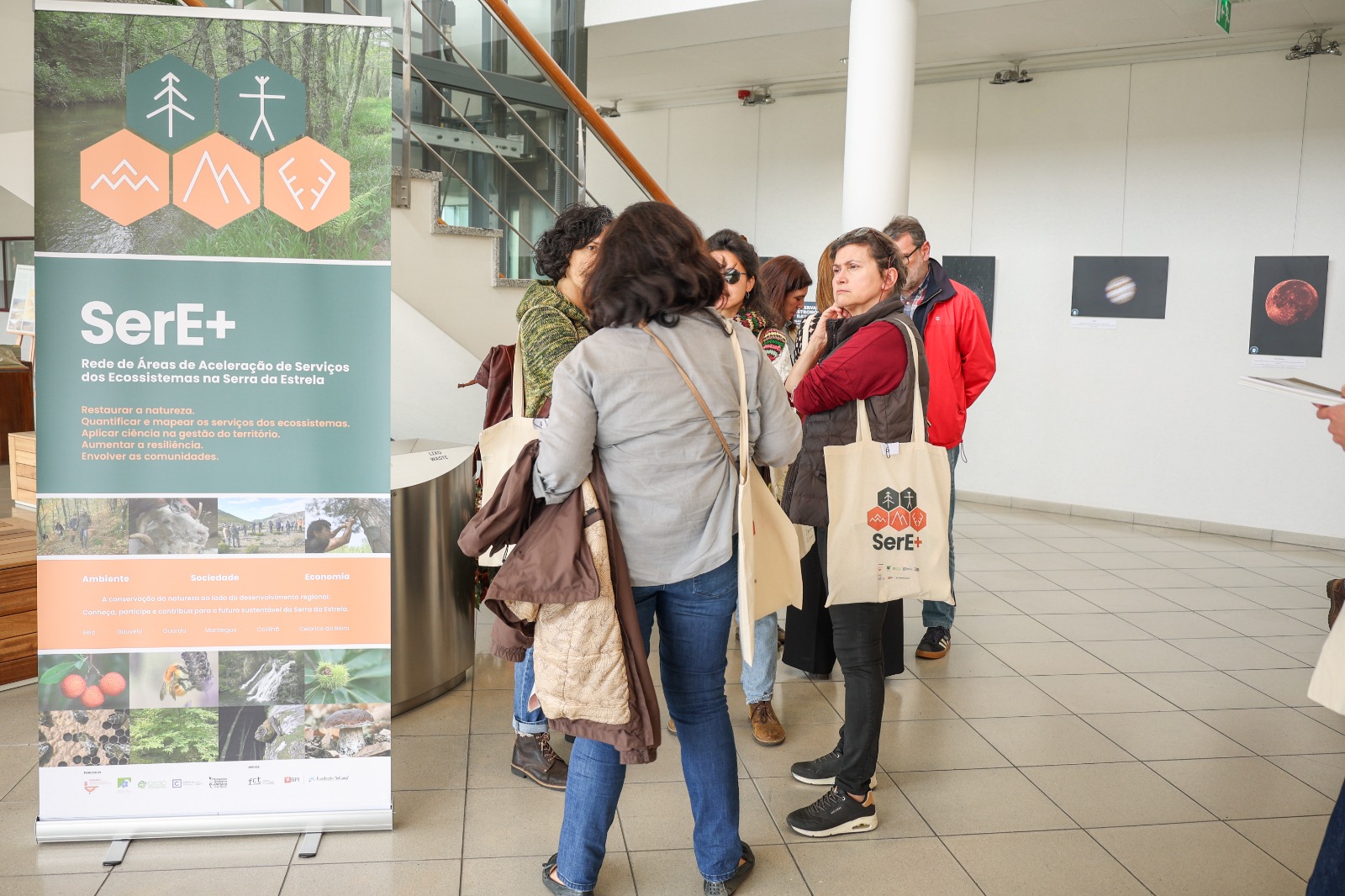
An online version of the survey conducted during the workshop will be made available shortly, in order to encourage greater participation and gather further input. Photo: Municipality of Seia.
About the project
SerE+ – Network of Ecosystem Services Acceleration Areas in Serra da Estrela is a project coordinated by Palombar, in partnership with CE3C – Faculty of Sciences, University of Lisbon, the Municipality of Seia/CISE and CSIC – Doñana Biological Station.
The project aims to identify and enhance the value of the services provided by ecosystems, support nature conservation and contribute to a more sustainable and resilient management of the Serra da Estrela in the context of climate and territorial challenges.
It is supported by the “la Caixa” Foundation’s Promove Programme, in collaboration with BPI and the Foundation for Science and Technology (FCT), and will run from 2025 to 2028.