


10 April 2026
The 2nd edition of “Spreitar L Cielo” combined astronomy, nature and photography to explore space and the landscape
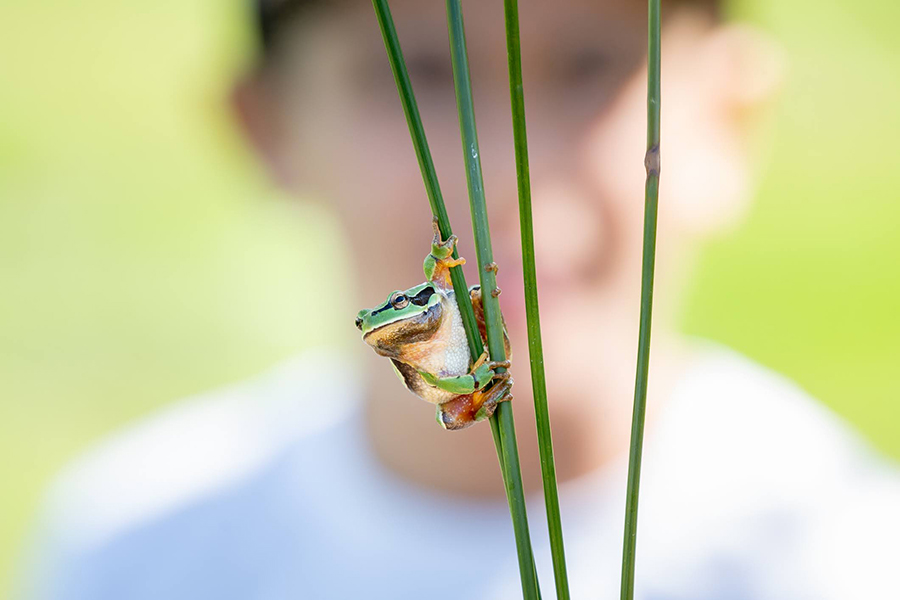
The youngest participant at “Spreitar L Cielo” peers at an Iberian tree frog. Photo: Luís Almeida.
This year, the event featured a new element: an in-depth reflection on the role of technology in how we understand and interpret the natural world, a theme to which the Palombar team contributed through nature photography workshops.

Pedro Alves, photographer and conservation biology technician at Palombar, led the nature photography activities. Photo: Luís Almeida.
Nature photography as a bridge between science, ethics and observation
Palombar’s participation in this edition of “Spreitar L Cielo” was marked by photography-focused activities led by Pedro Alves, one of the association’s conservation biology technicians. The workshops, which combined theory and practice, were one of the event’s highlights, revealing to participants responsible, creative and practical ways to observe and record wildlife.
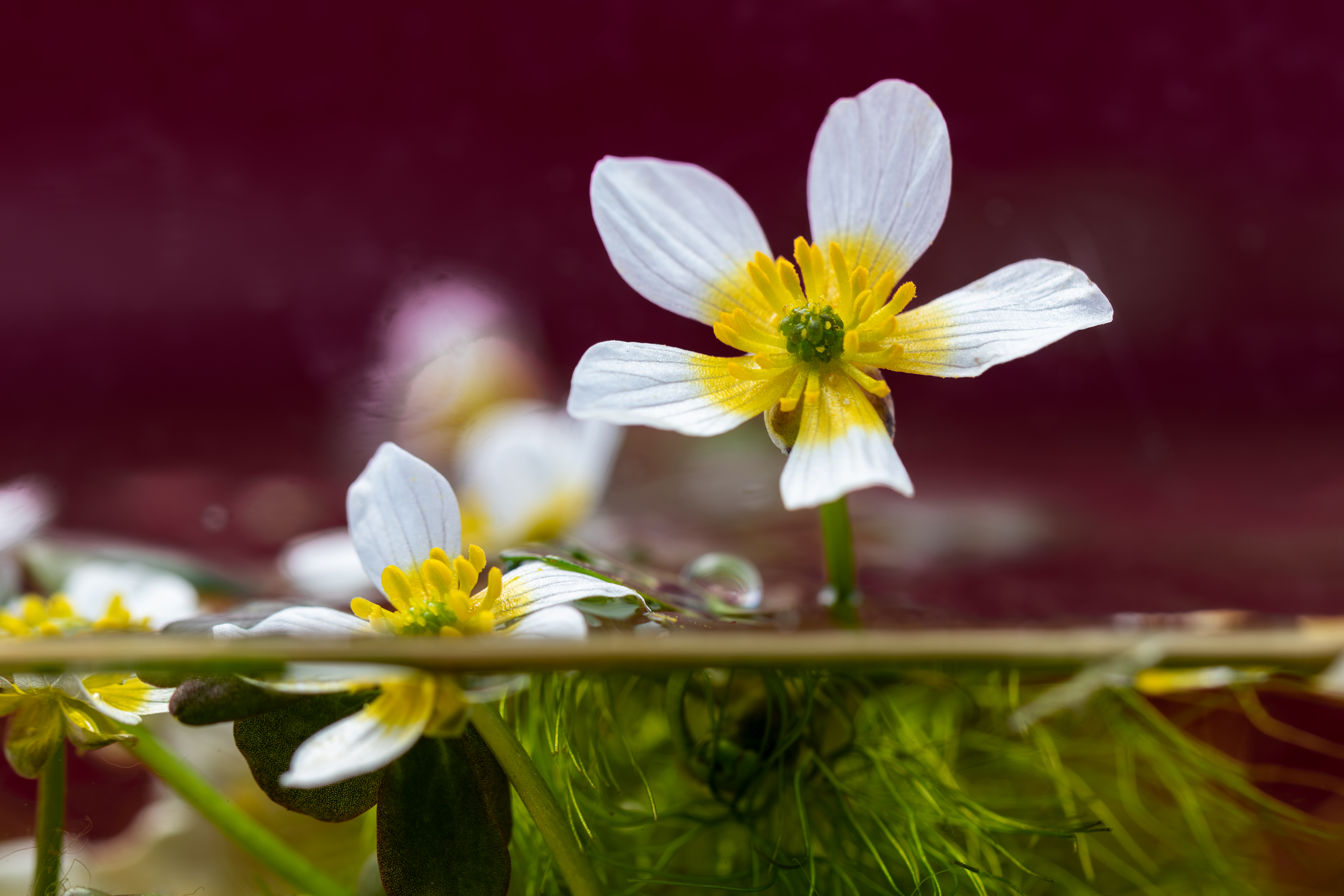
Technical knowledge enabled the capture of images full of colour, light and life. Photo: Pedro Alves/Palombar.
Introduction to Wildlife Photography: technique, ethics and the stories behind the images
The theoretical session on Saturday, 21 March, explored in depth the practice of photography applied to biodiversity. Pedro Alves guided the group through essential topics such as the fundamental definitions and settings of a camera; the appropriate selection of observation sites; reading the landscape and the consequent use of external lighting; and the relationship between the photographer, wildlife and local communities.
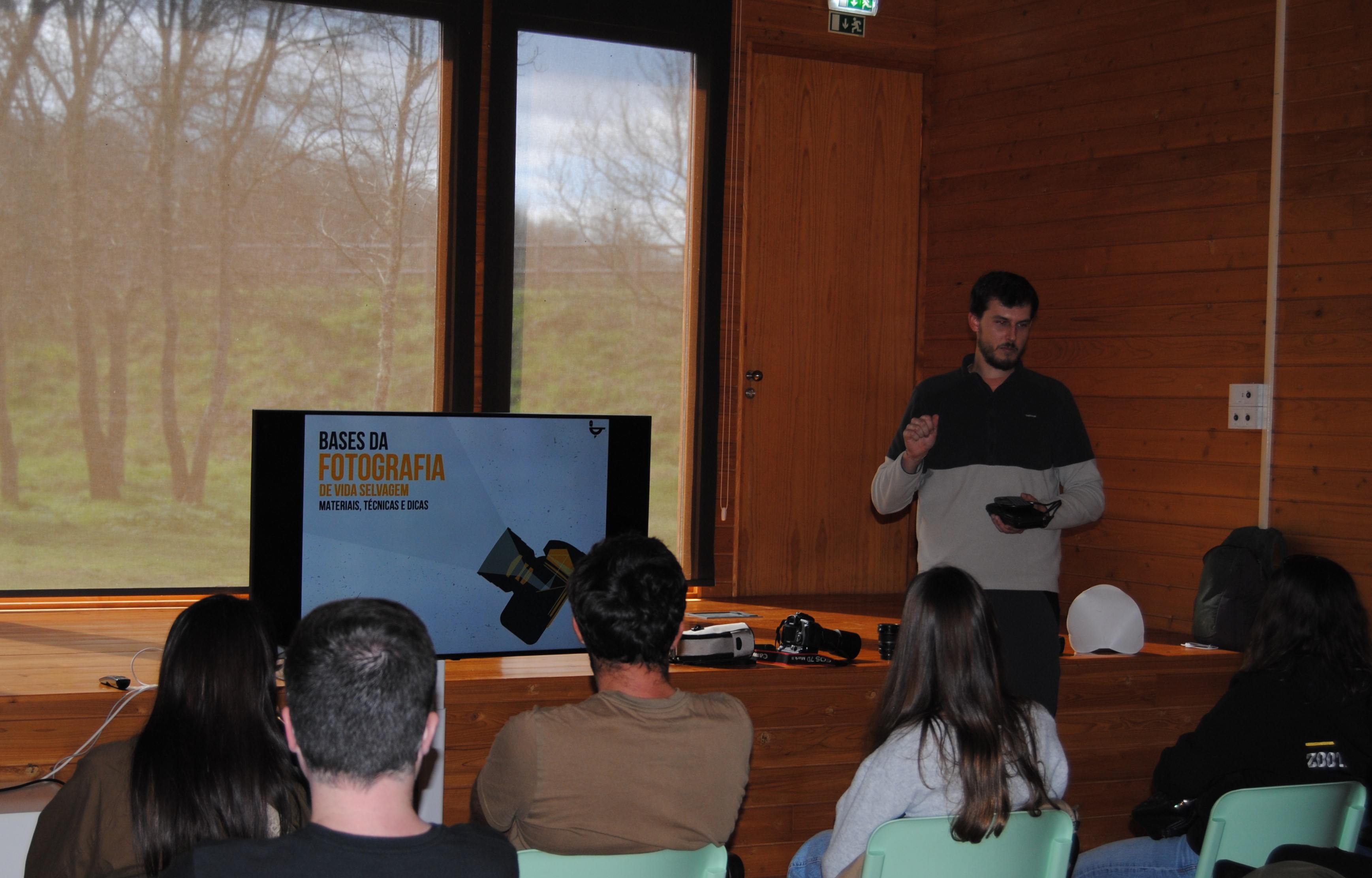
The theoretical session explored in depth the use of photography in documenting biodiversity. Photo: AEPGA.
At the end, secrets, tricks and stories behind the images were revealed, drawing on the trainer’s professional portfolio. One of the main themes guiding the session was how each photograph results from a conscious connection with the living creature being photographed, based on the respect and patience necessary to ensure ethical wildlife photography.

Participants learnt various techniques and ways of exploring the landscape and species responsibly and ethically. Photo: Luís Almeida.
Fundamental best practices were discussed to minimise disturbance to wildlife and to understand the behaviour of species before photographing them.
Interpreting the landscape through photography
The practical session on Sunday, 22 March, allowed participants to put all the knowledge acquired the previous day into practice in the field. The session took place in a former quarry undergoing renaturalisation, a unique space rich in textures, contrasts and hidden life.

The practical session took place in a former quarry undergoing renaturalisation. Photo: Luís Almeida.
The route passed through a series of temporary ponds where biodiversity was particularly striking. Careful observation revealed: the Iberian tree frog (Hyla molleri), ranging from adults camouflaged in the vegetation to tadpoles in the still waters; natterjack toad (Epidalea calamita) tadpoles hidden amongst submerged leaves; water beetle (Dytiscidae) larvae, swift and discreet; and even a moth caterpillar (Chondrostega vandalicia), displaying vivid colours that stood out clearly against the landscape and in the image.
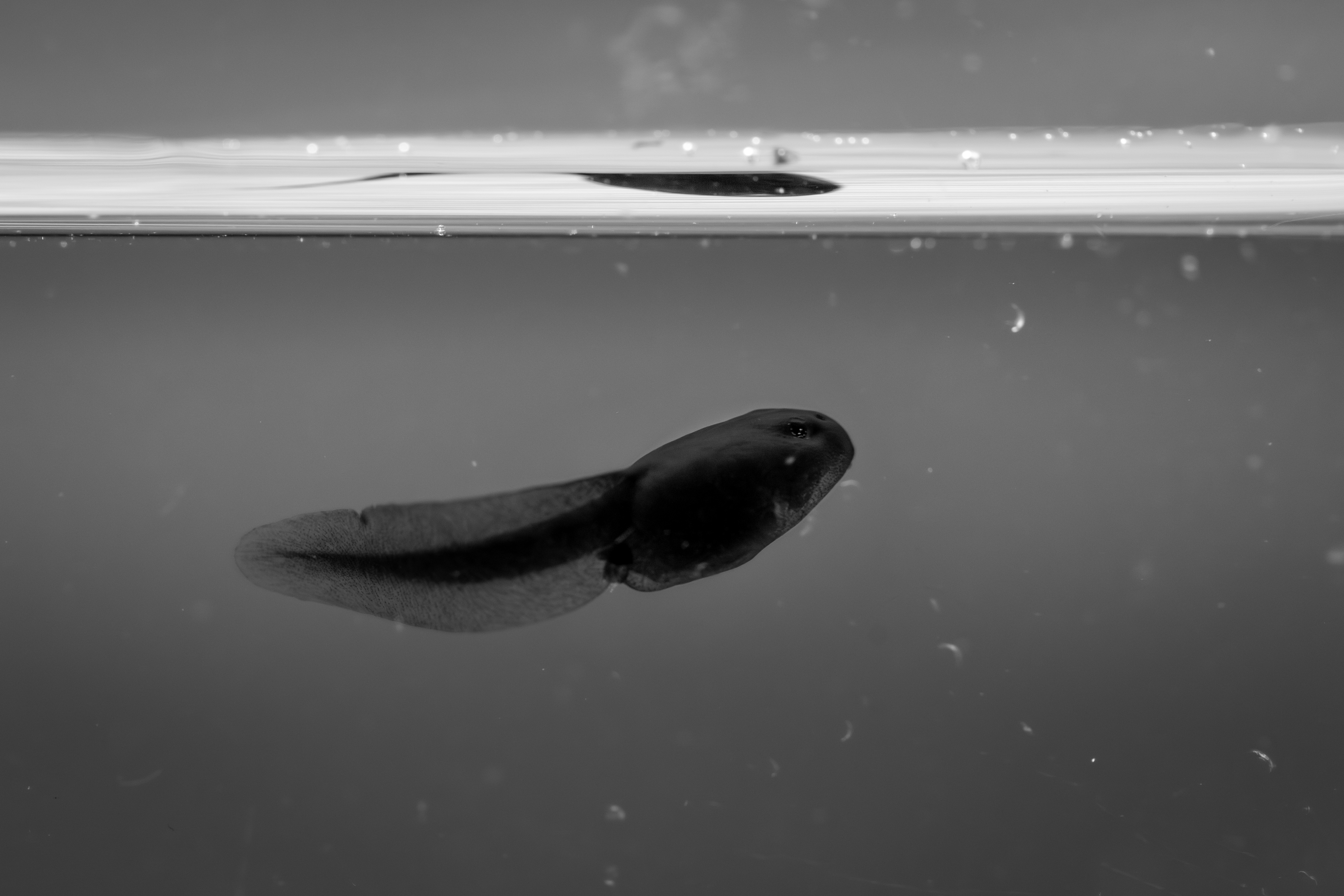
Natterjack toad tadpole (Epidalea calamita). When black and white reveal, in a more profound way, the beginning of life. Photo: Pedro Alves/Palombar.
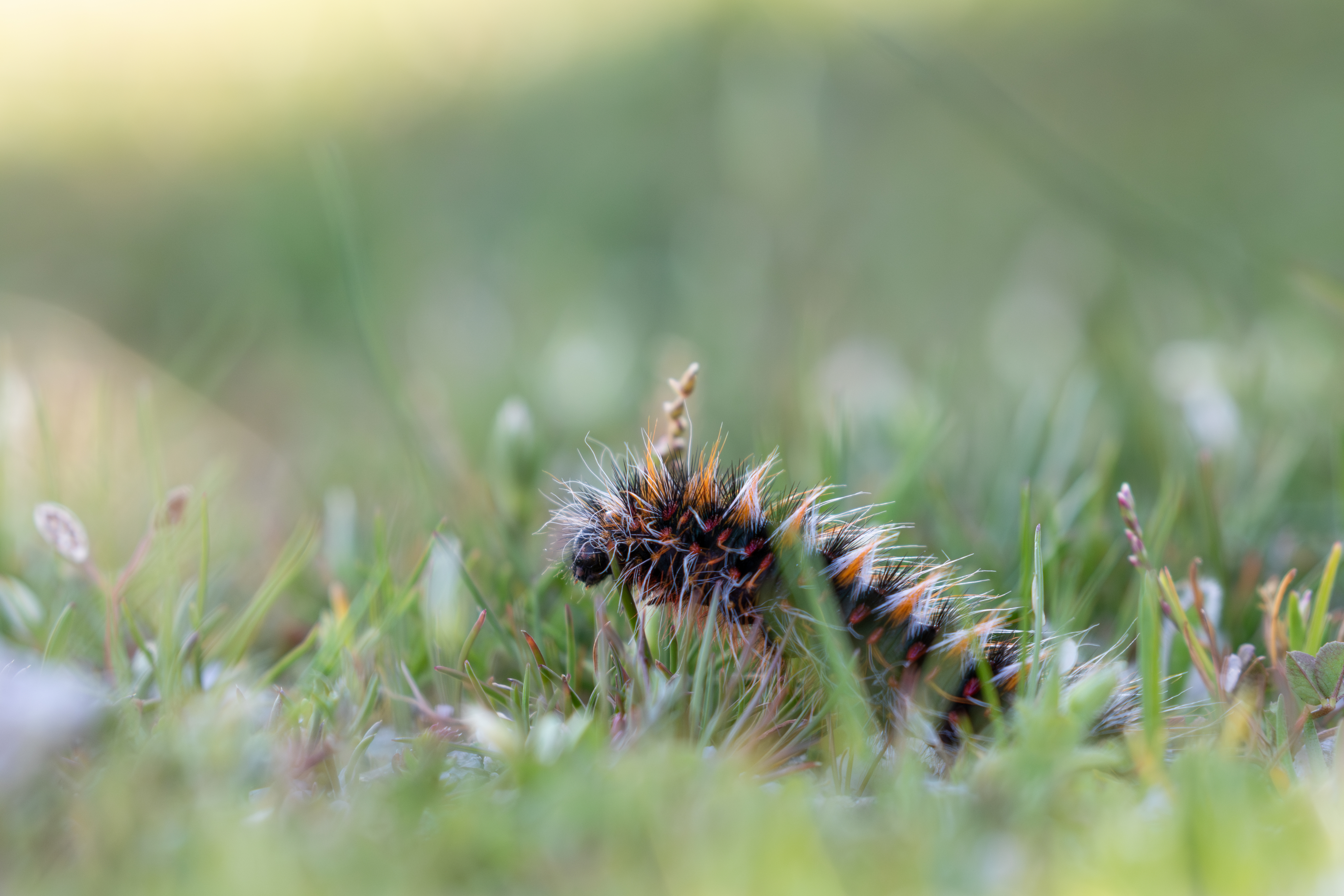
Moth caterpillar (Chondrostega vandalicia), with unique textures and dazzling colours. Photo: Pedro Alves/Palombar.

Pedro Alves at a temporary pond rich in biodiversity. Photo: Luís Almeida.
These small yet significant discoveries enabled the exploration of specific techniques, such as underwater photography, which is extremely useful for capturing aquatic organisms with clarity and detail. With the constant technical support of Pedro Alves from Palombar and Joana Pereira from AEPGA, all participants were able to experiment, adjust and refine their photographic approach.
Other activities in the programme
The event featured a varied programme and included a range of other activities, such as a guided tour of PINTA, which gave visitors the chance to explore the permanent exhibitions and the Natura 2000 network, as well as the Astronomy Observatory; and the Space Exploration Quest, a workshop featuring games and puzzles that encouraged critical thinking, creativity and reflection on how we view and interpret the cosmos.
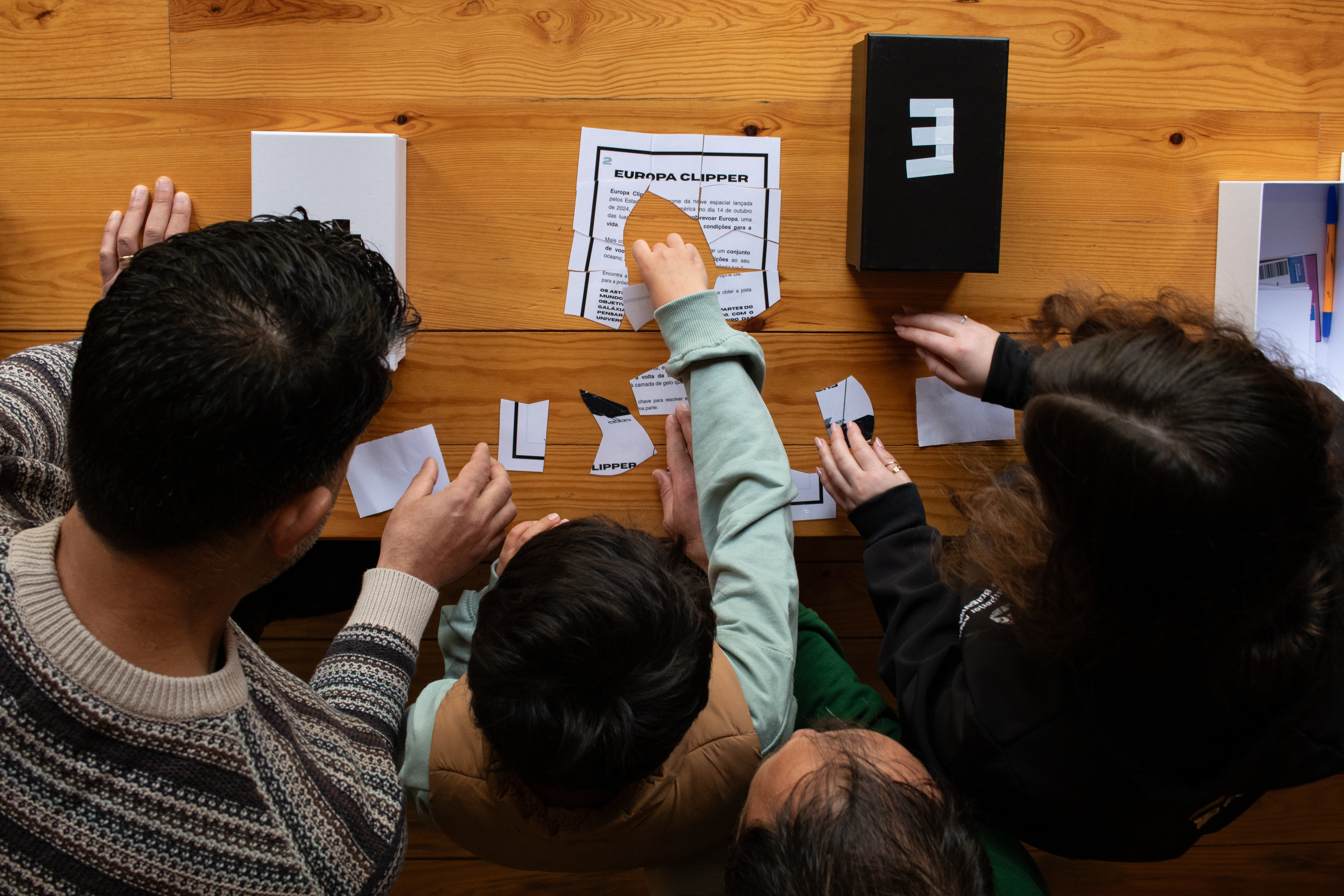
Space Exploration Quest: a workshop featuring puzzle-based games designed to explore the universe. Photo: Pedro Alves/Palombar.
There was also an activity dedicated to an Introduction to Astronomy and Night Sky Observation, with theoretical and practical sessions that enabled participants to grasp fundamental concepts and observe the sky under ideal conditions, in one of the regions with the lowest levels of light pollution in the country.
Looking at the sky and understanding the Earth: technology with a purpose
The sky, once seen as something distant and untouchable, is today heavily influenced by human activity. In a world marked by a disconnection from the natural world, light pollution, flight paths, satellites and other space missions shape the celestial landscape and transform the way we see and understand it.
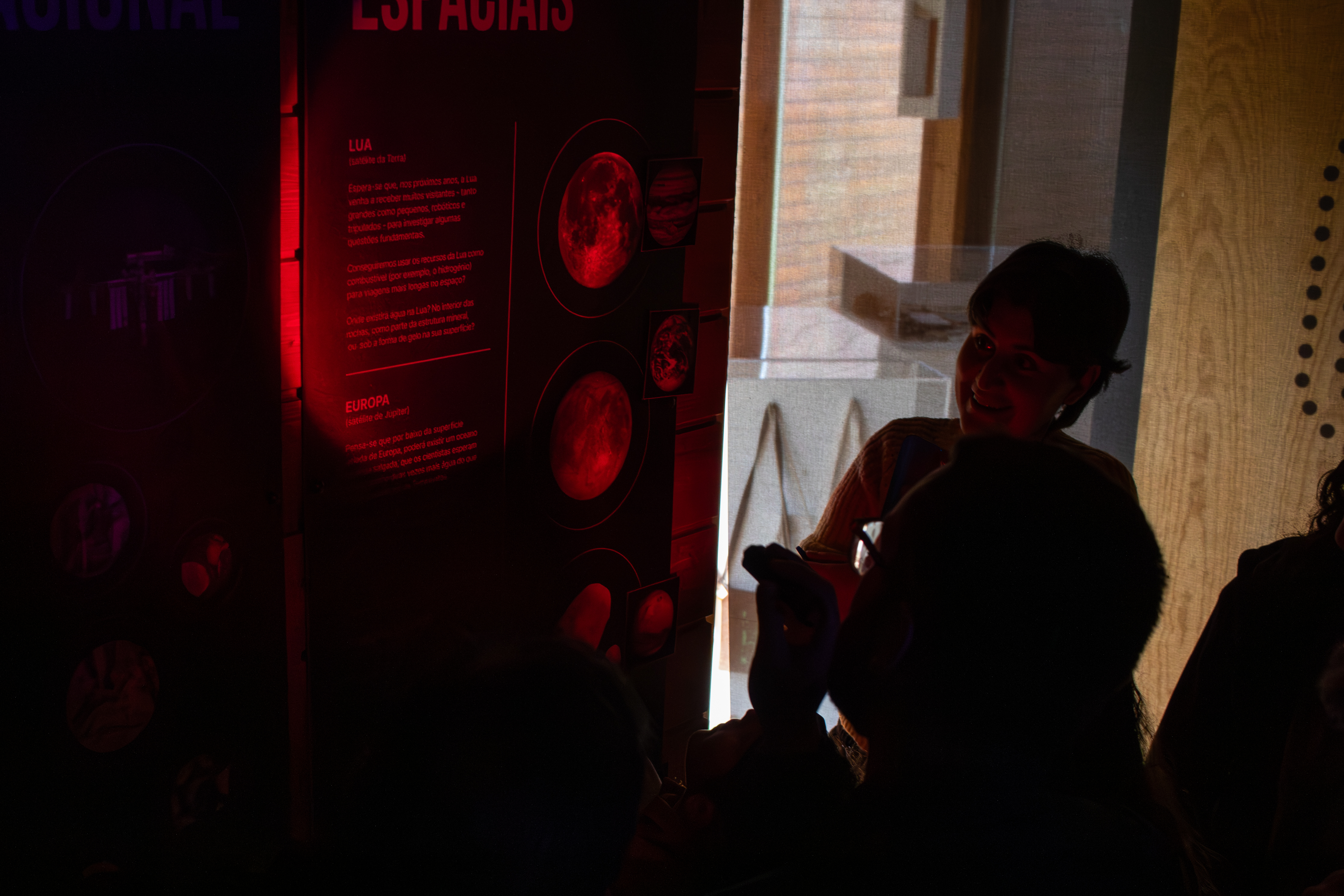
PINTA – the Iberian Nature and Adventure Park in Vimioso – has a space dedicated to astronomical knowledge and space observation. Photo: Pedro Alves/Palombar.
The event sought to reflect on this changing relationship, fostering a reconnection between the public, the night sky and our natural heritage. The second edition of “Spreitar L Cielo” highlighted how technology – from telescopes to cameras – can support learning and immersion in observation, thereby strengthening people’s connection to natural and celestial ecosystems.